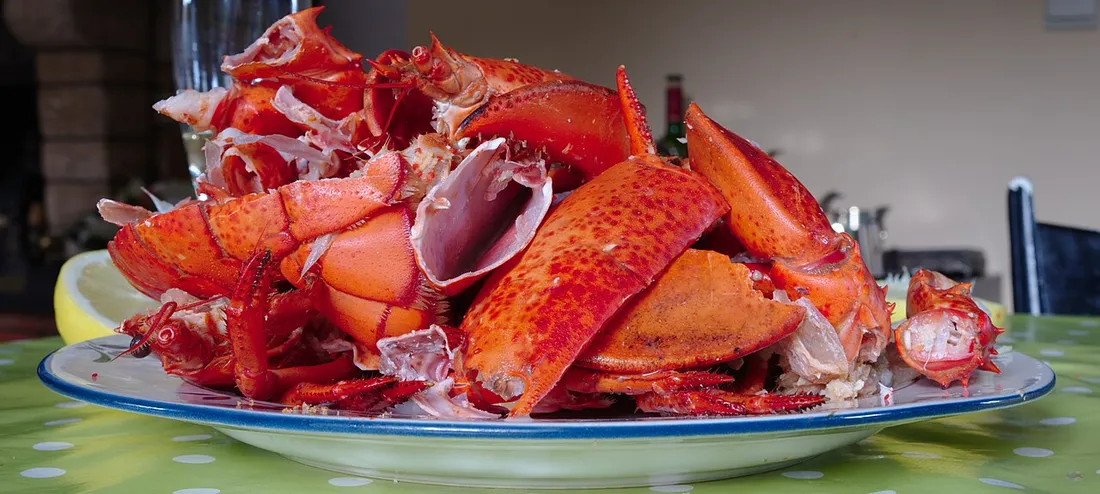
 Claw-powered survivor
Crustaceans · Clawed lobster
American lobster
Homarus americanus
The American lobster is a large Atlantic crustacean with powerful claws. It grows by shedding its hard shell and is most active at night.
Aquatic group · 30
Crabs, shrimp, lobsters, and their joint-legged relatives. Each card uses kid-friendly labels without hiding the scientific family tree underneath.
Claw-powered survivorCrustaceans · Clawed lobster
Homarus americanus
The American lobster is a large Atlantic crustacean with powerful claws. It grows by shedding its hard shell and is most active at night.
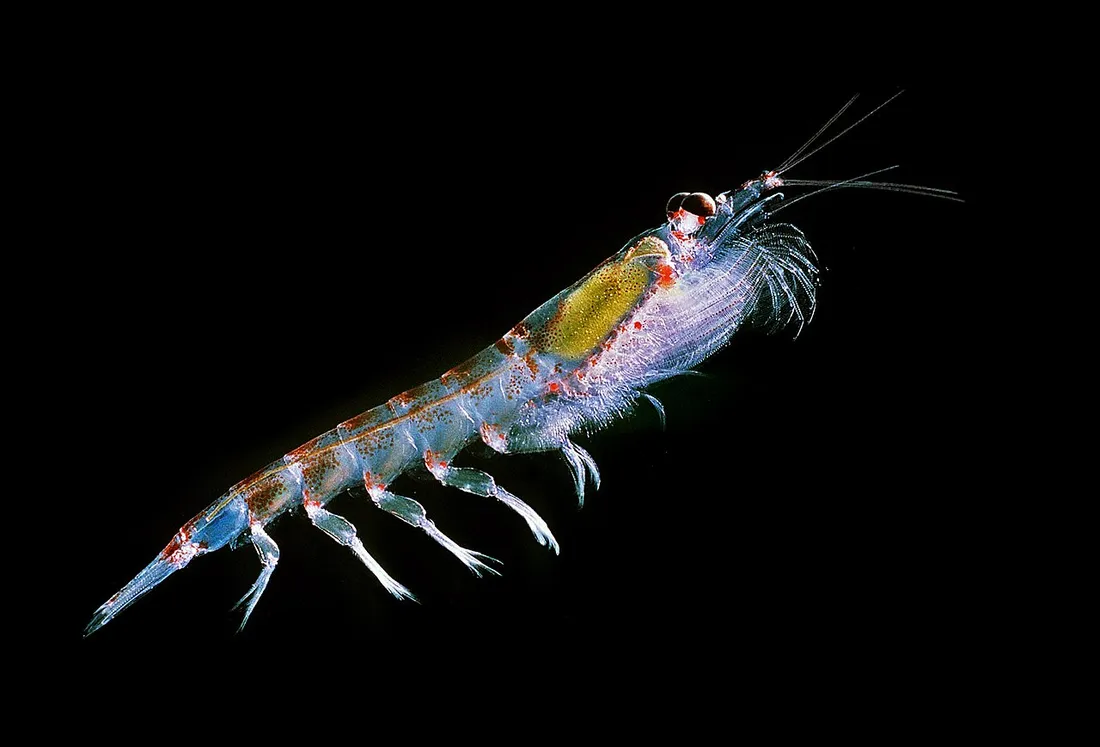 Tiny ocean powerhouse
Crustaceans · Pelagic krill
Euphausia superba
Antarctic krill are small, shrimp-like crustaceans that swarm through the Southern Ocean. They are a central food source for whales, seals, penguins, seabirds, and fish.
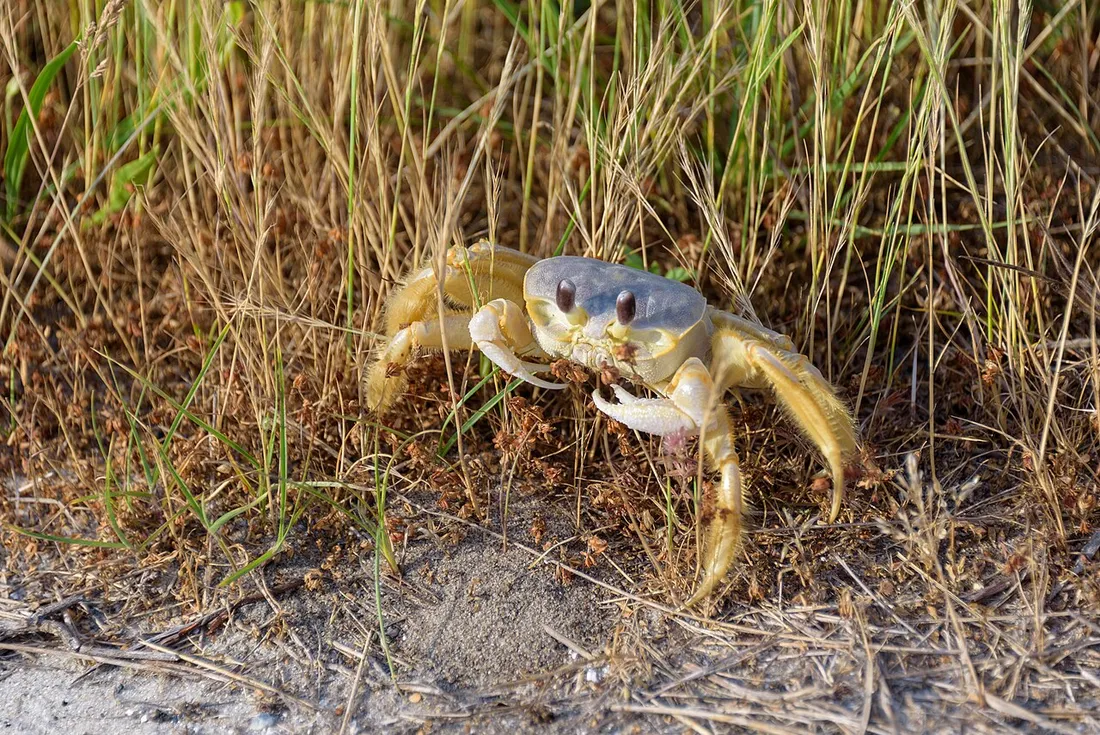 Nighttime beach runner
Crustaceans · Beach crab
Ocypode quadrata
The Atlantic ghost crab is a pale, fast-moving crab of sandy beaches. It hides in deep burrows by day and hunts along the shore after sunset.
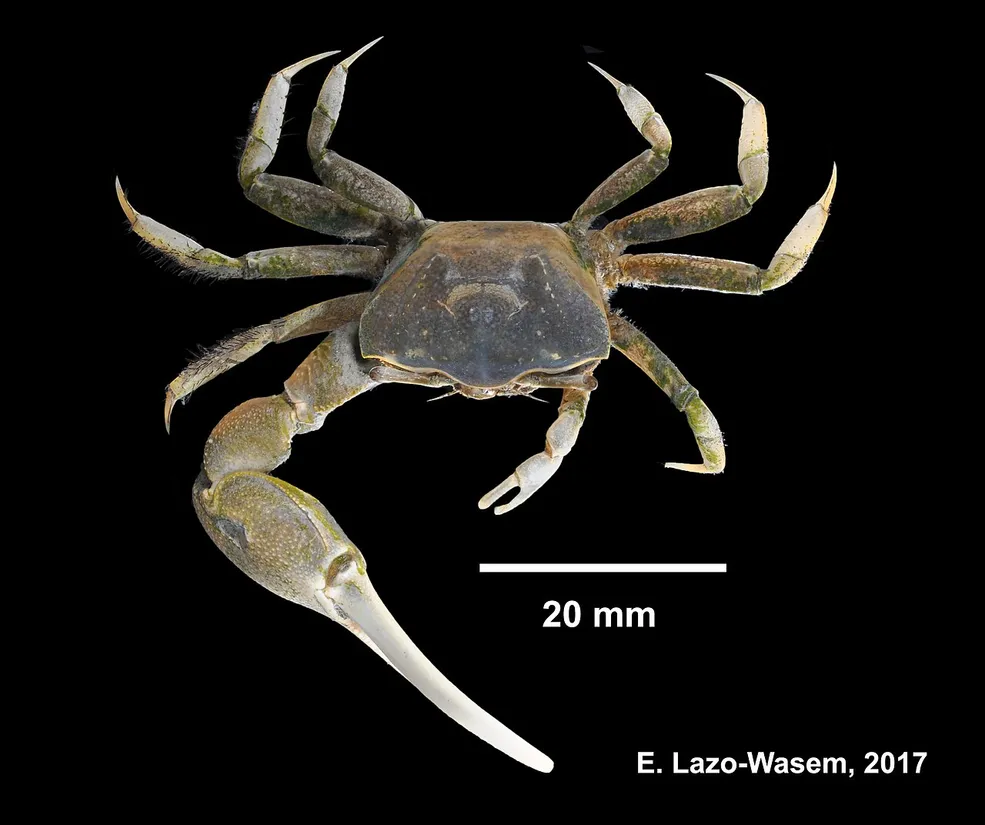 One-clawed marsh musician
Crustaceans · Fiddler crab
Minuca pugnax
The Atlantic marsh fiddler crab lives in muddy salt marshes along the western Atlantic. Males wave one oversized claw while females have two small claws.
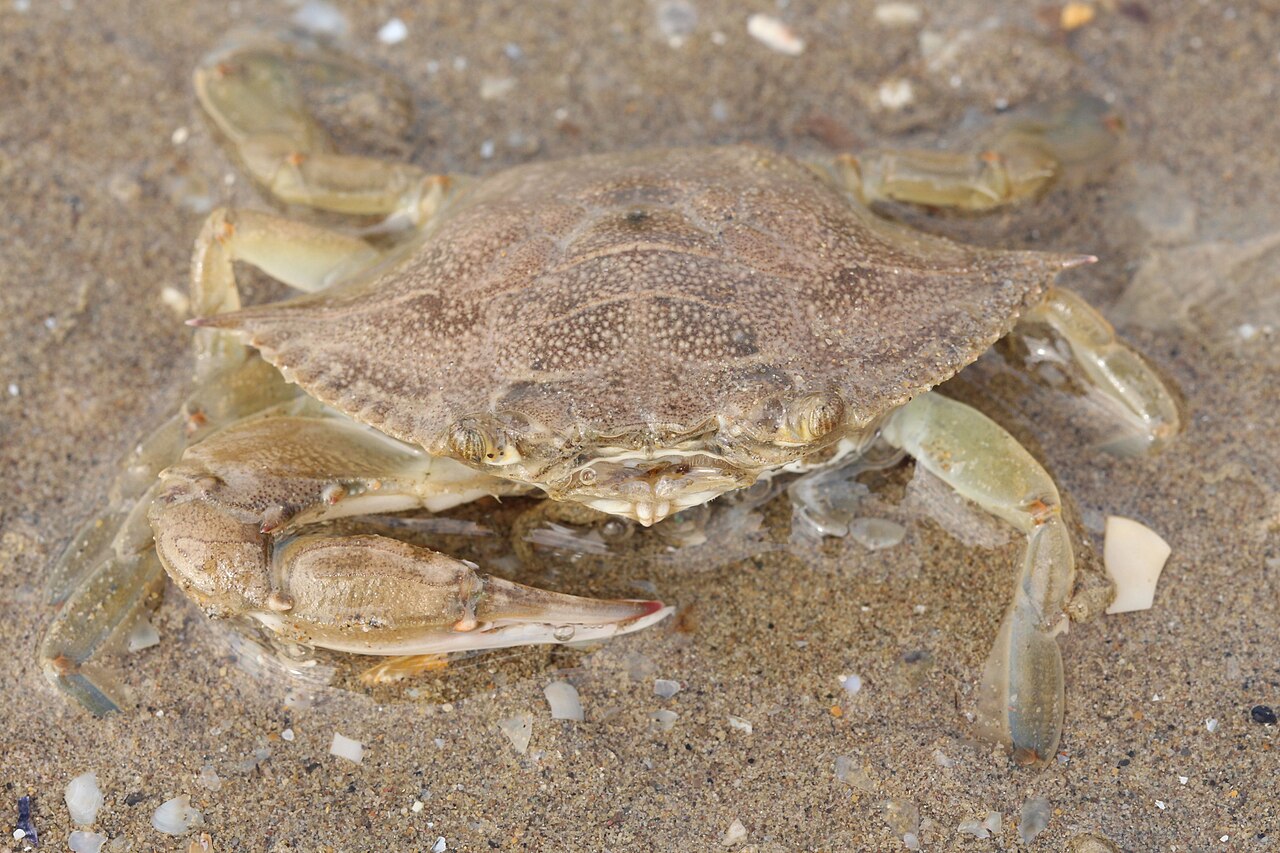 Paddle-footed crab
Crustaceans · Swimming crabs
Callinectes sapidus
The blue crab is a fast-swimming crustacean with blue-tinted claws and an olive shell. It lives where rivers meet the sea and plays both predator and prey in coastal food webs.
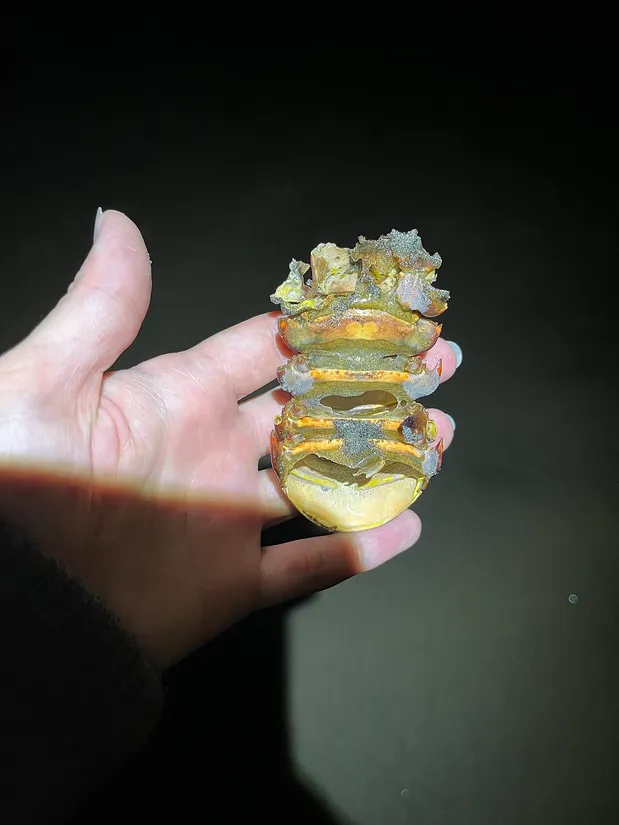 Pacific spiny crawler
Crustaceans · Spiny lobster
Panulirus interruptus
The California spiny lobster is a clawless lobster of the eastern Pacific. It hides in rocky reefs and kelp habitats and emerges to feed after dark.
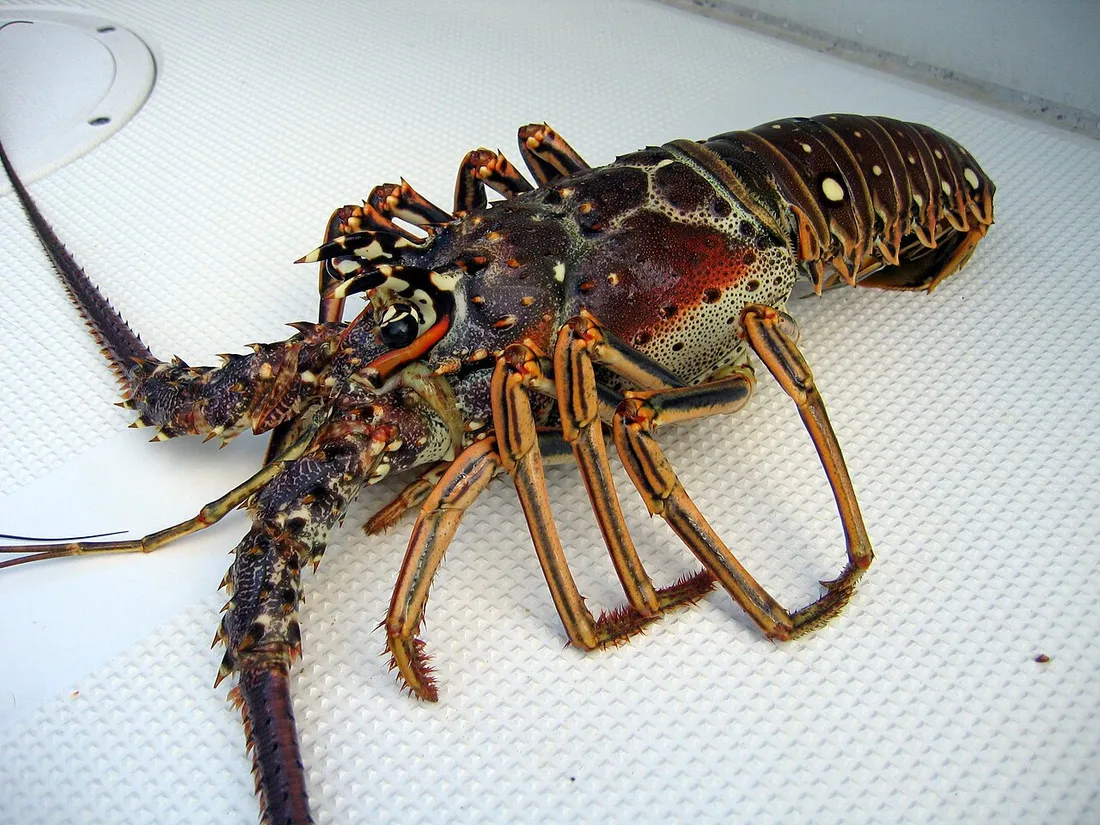 Antenna-armored lobster
Crustaceans · Spiny lobster
Panulirus argus
The Caribbean spiny lobster has a heavily spined body but no large front claws. It hides by day and searches coral reefs and seagrass beds at night.
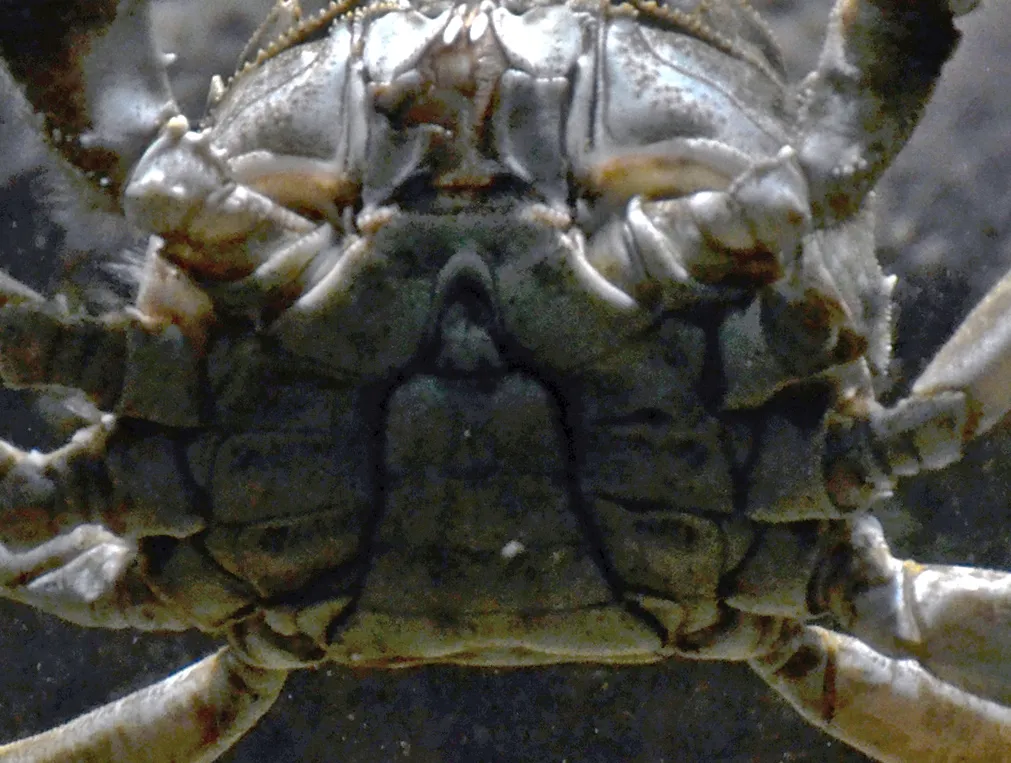 Furry-clawed river traveler
Crustaceans · Catadromous crab
Eriocheir sinensis
The Chinese mitten crab has distinctive hairy claws and spends part of its life in rivers and part in the sea. It is native to East Asia but invasive in several other regions.
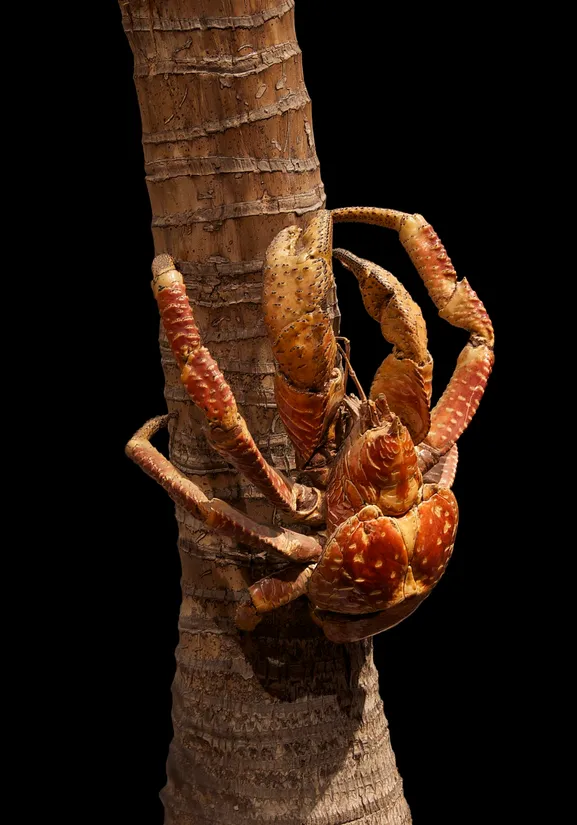 Island climbing powerhouse
Crustaceans · Land crab
Birgus latro
The coconut crab is the world’s largest land-dwelling crustacean. It lives on tropical islands and uses powerful claws to climb and handle tough food.
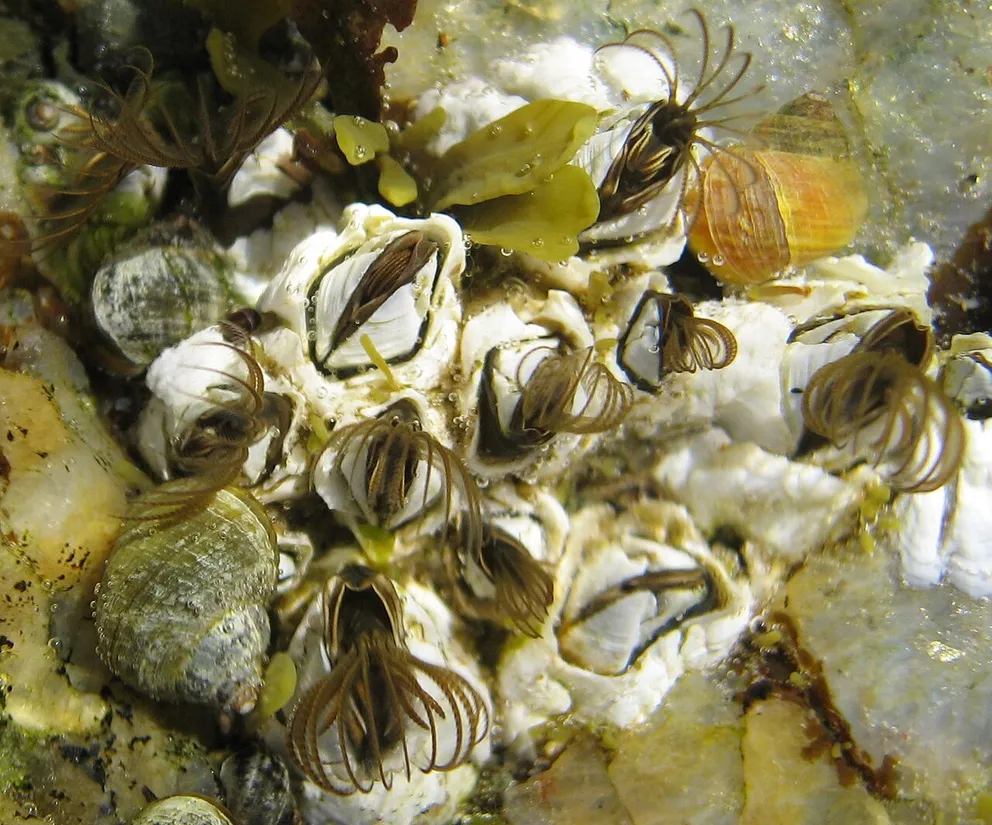 Stationary shell builder
Crustaceans · Acorn barnacle
Semibalanus balanoides
The common acorn barnacle is a tiny crustacean cemented permanently to hard surfaces. It feeds by sweeping feathery limbs through the water.
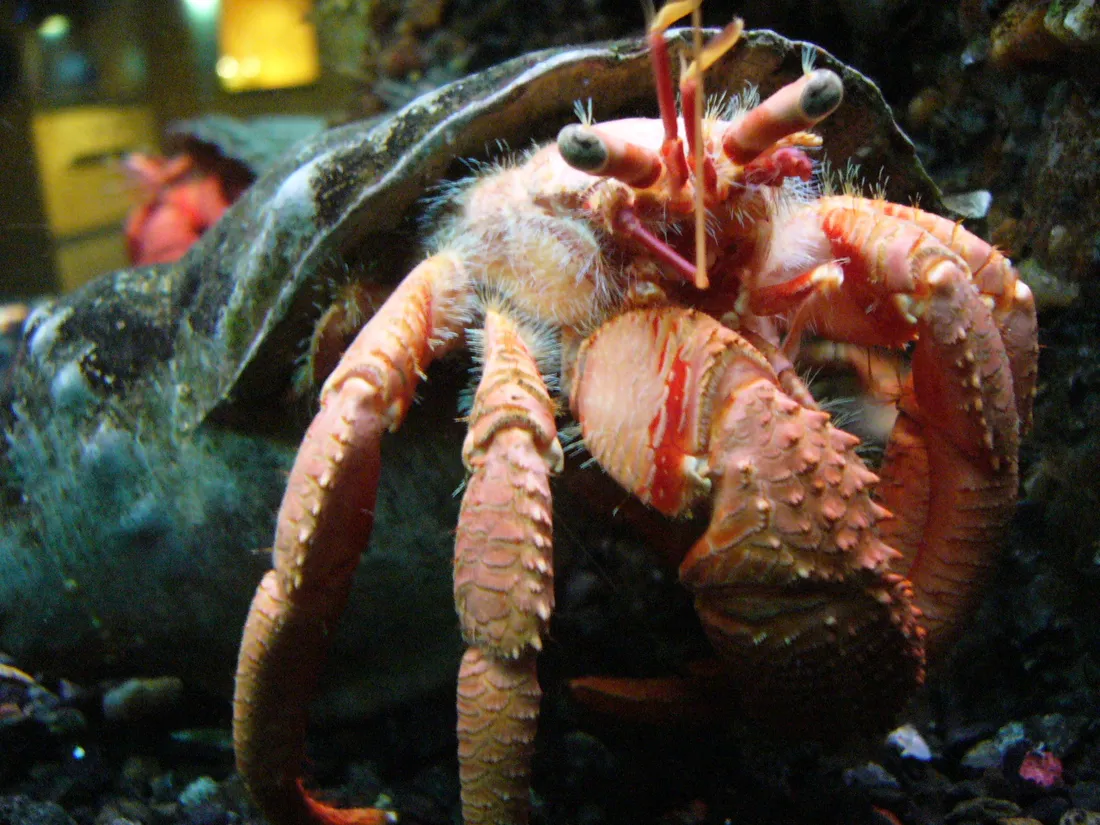 Portable-shell scavenger
Crustaceans · Hermit crab
Pagurus bernhardus
The common hermit crab has a soft, curled abdomen protected inside an empty snail shell. It drags its borrowed home across rocky shores and shallow seafloors.
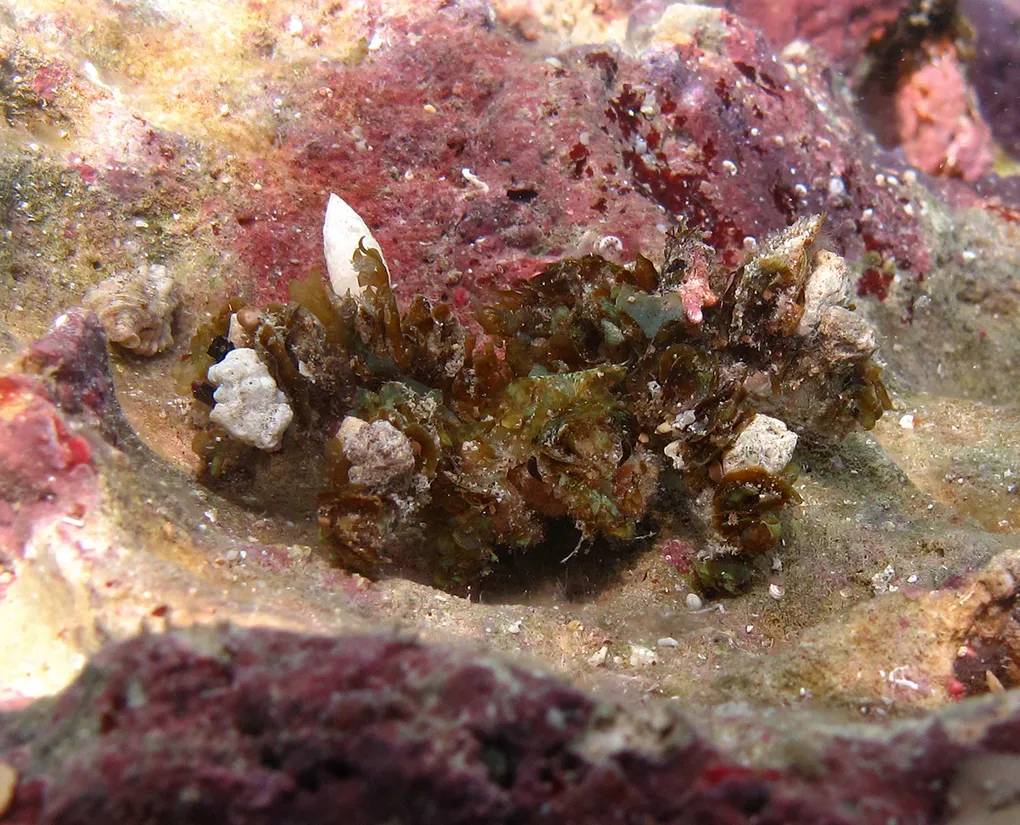 Walking camouflage artist
Crustaceans · Decorator crab
Camposcia retusa
The decorator crab covers its shell with algae, sponges, and other small organisms. This makes its outline harder for predators to recognize on reefs and rocky bottoms.
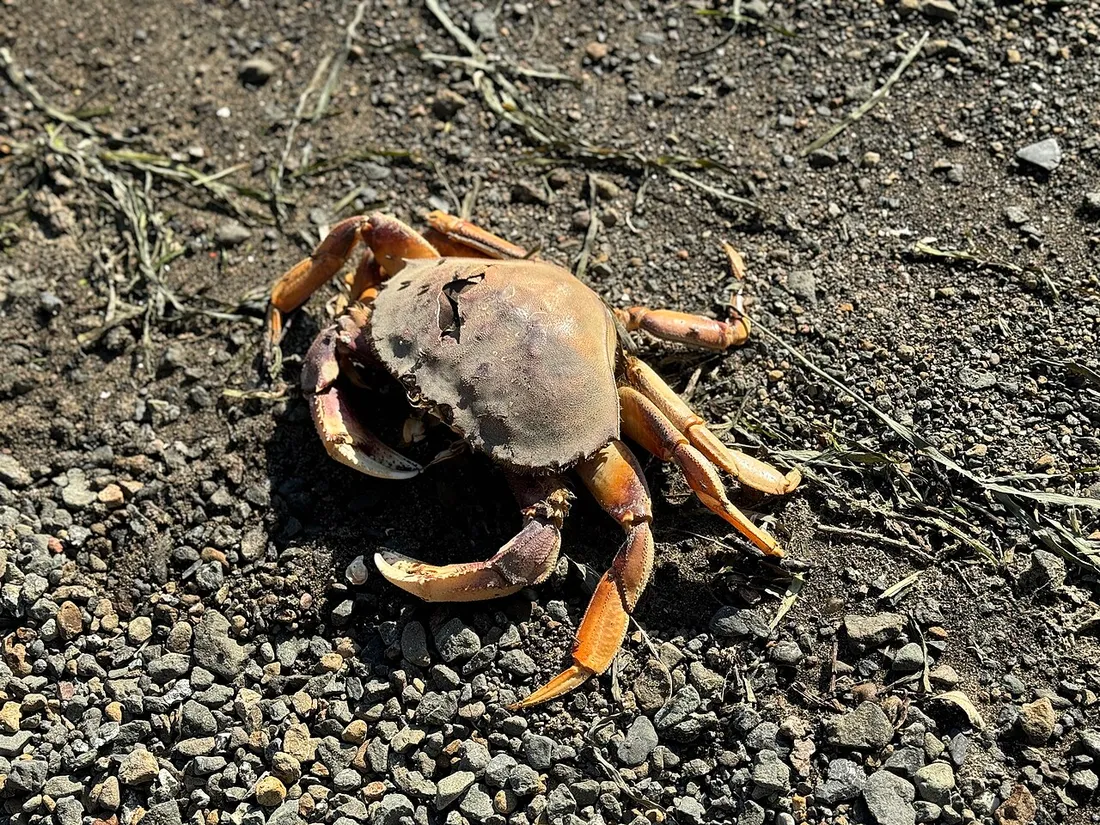 Pacific shellfish favorite
Crustaceans · Swimming crab
Metacarcinus magister
The Dungeness crab is a broad-bodied Pacific crab with white-tipped claws. It lives from shallow bays to deeper continental-shelf habitats.
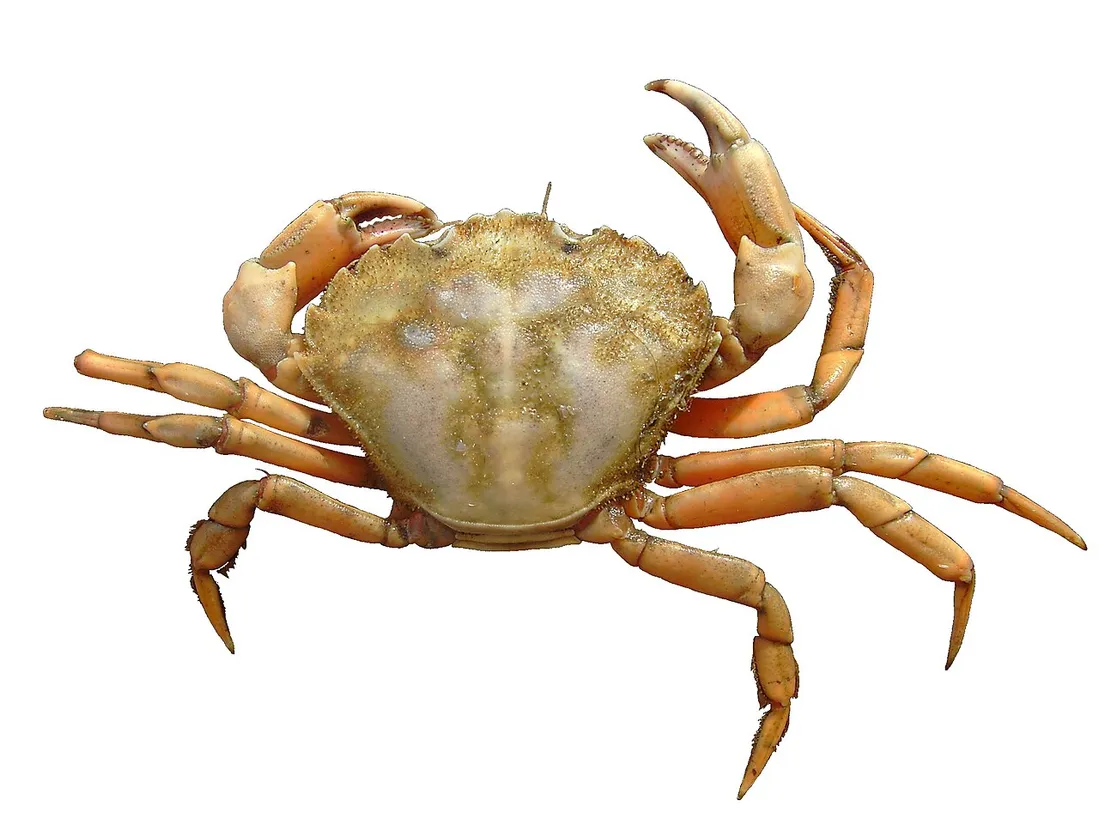 Adaptable coastal invader
Crustaceans · Shore crab
Carcinus maenas
The European green crab is a small, adaptable crab of rocky shores, mudflats, and estuaries. It has spread beyond Europe and can compete with native coastal animals.
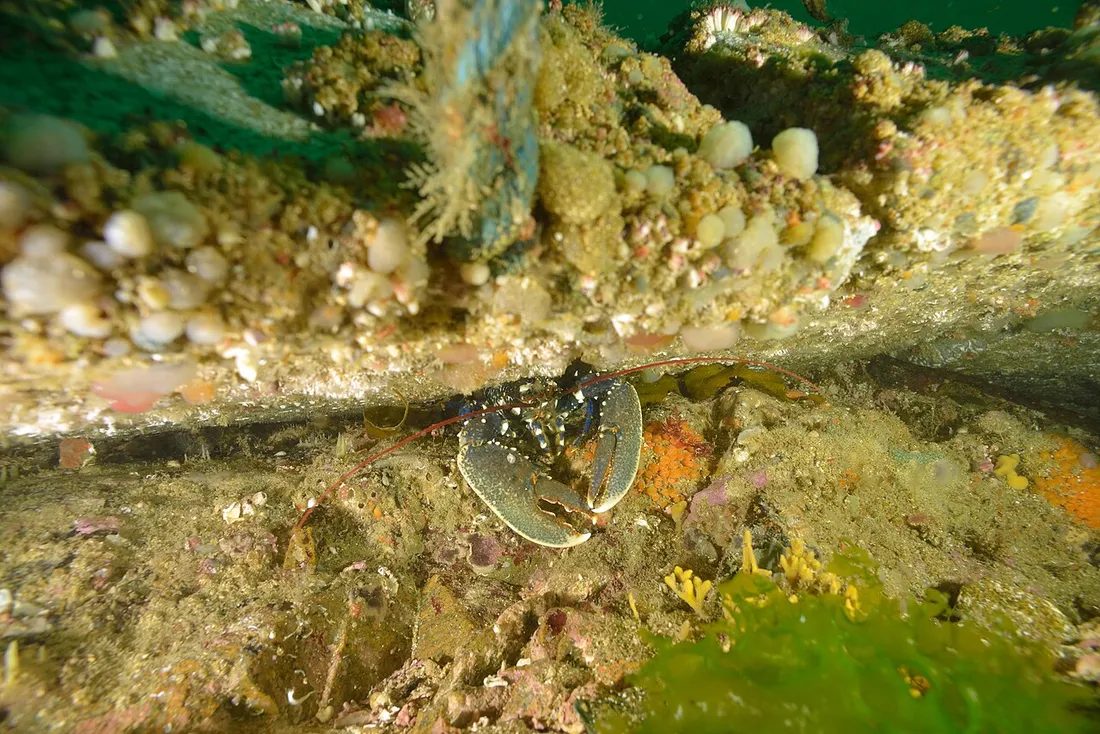 Blue-shelled hunter
Crustaceans · Clawed lobster
Homarus gammarus
The European lobster is a large clawed lobster of rocky Atlantic and Mediterranean coasts. Its shell is often blue-black before cooking, with a pale underside.
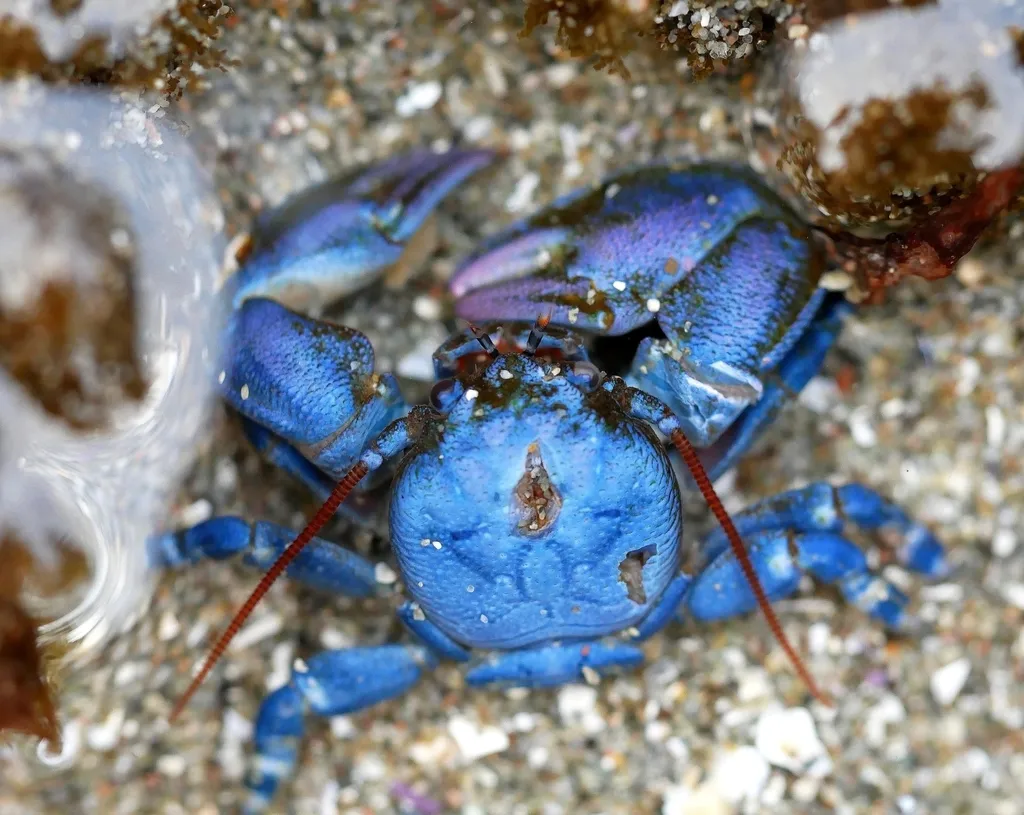 Tiny tide-pool filterer
Crustaceans · Porcelain crab
Petrolisthes cinctipes
The flat porcelain crab is a small, flattened crab of Pacific rocky shores. Despite its crab-like appearance, it filters food with feathery mouthparts rather than its claws.
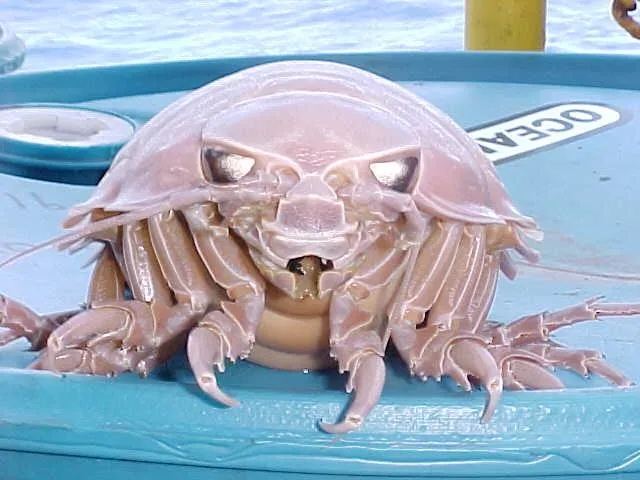 Deep-sea cleanup crew
Crustaceans · Deep-sea isopod
Bathynomus giganteus
The giant isopod is a huge relative of the familiar pill bug. It crawls across the deep seafloor and scavenges animals that sink from above.
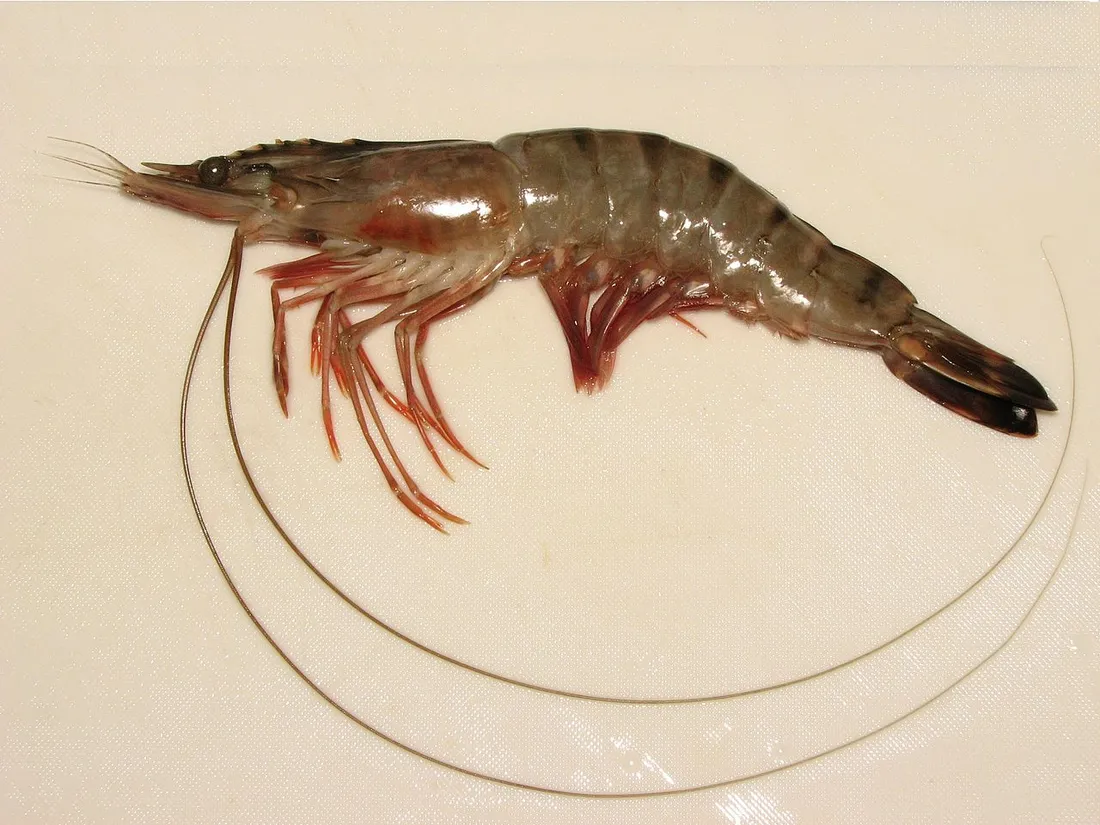 Striped tropical prawn
Crustaceans · Penaeid prawn
Penaeus monodon
The giant tiger prawn is a large tropical shrimp with dark stripes across its body. Young stages use estuaries and mangroves before adults move offshore.
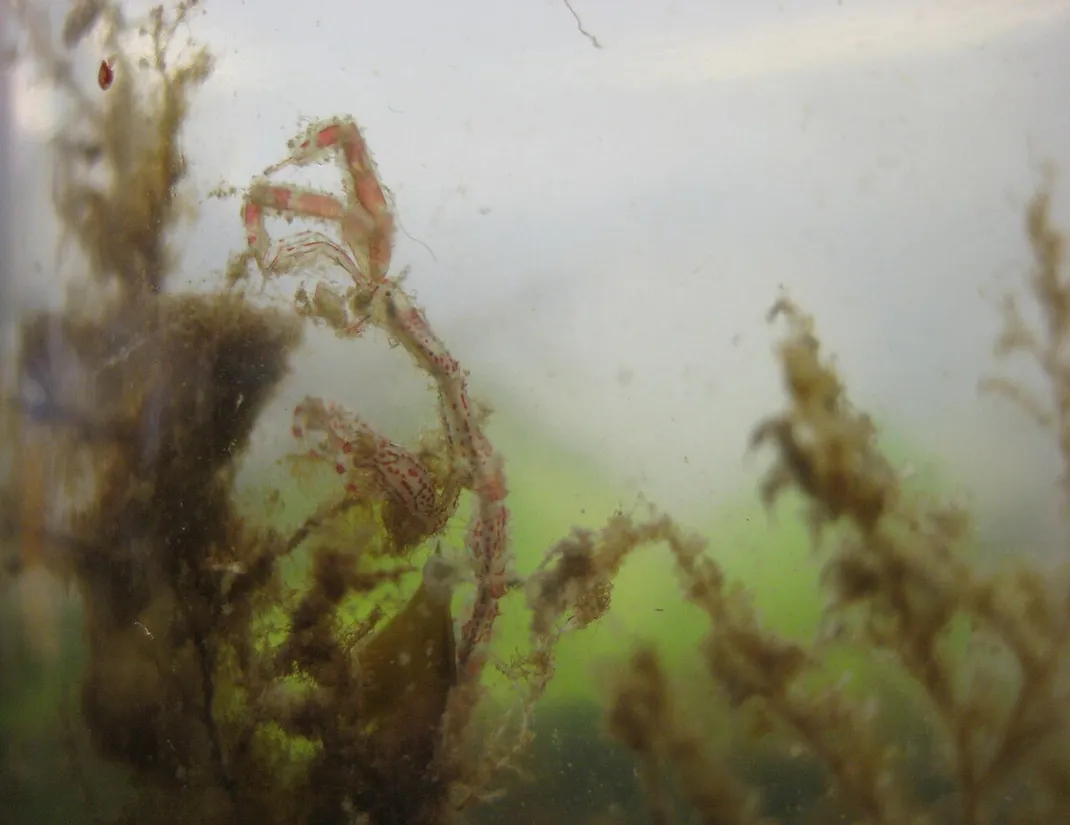 Clinging seaweed hitchhiker
Crustaceans · Caprellid amphipod
Caprella mutica
The Japanese skeleton shrimp is a thin, stick-like amphipod that clings to algae, hydroids, ropes, and boat hulls. It is native to the northwest Pacific and invasive in many other regions.
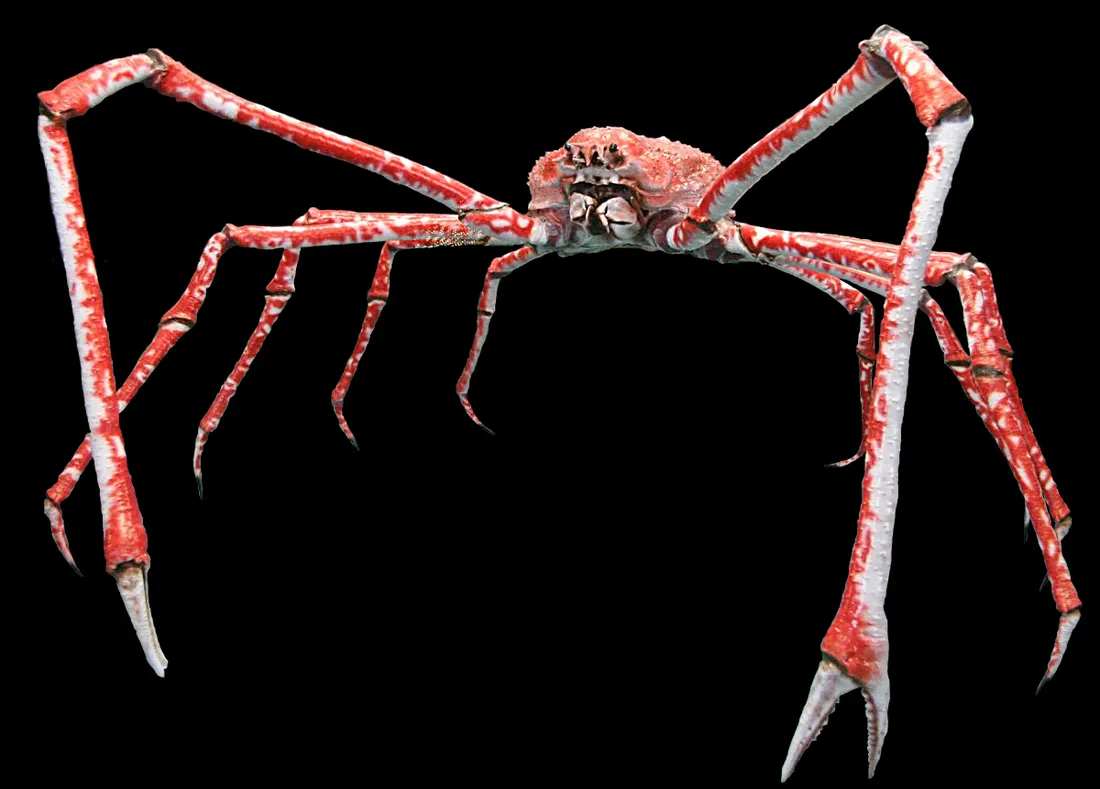 Long-legged ocean giant
Crustaceans · Spider crab
Macrocheira kaempferi
The Japanese spider crab has extremely long legs and a small, rough body. It lives on rocky seafloors around Japan and can become the largest arthropod by leg span.
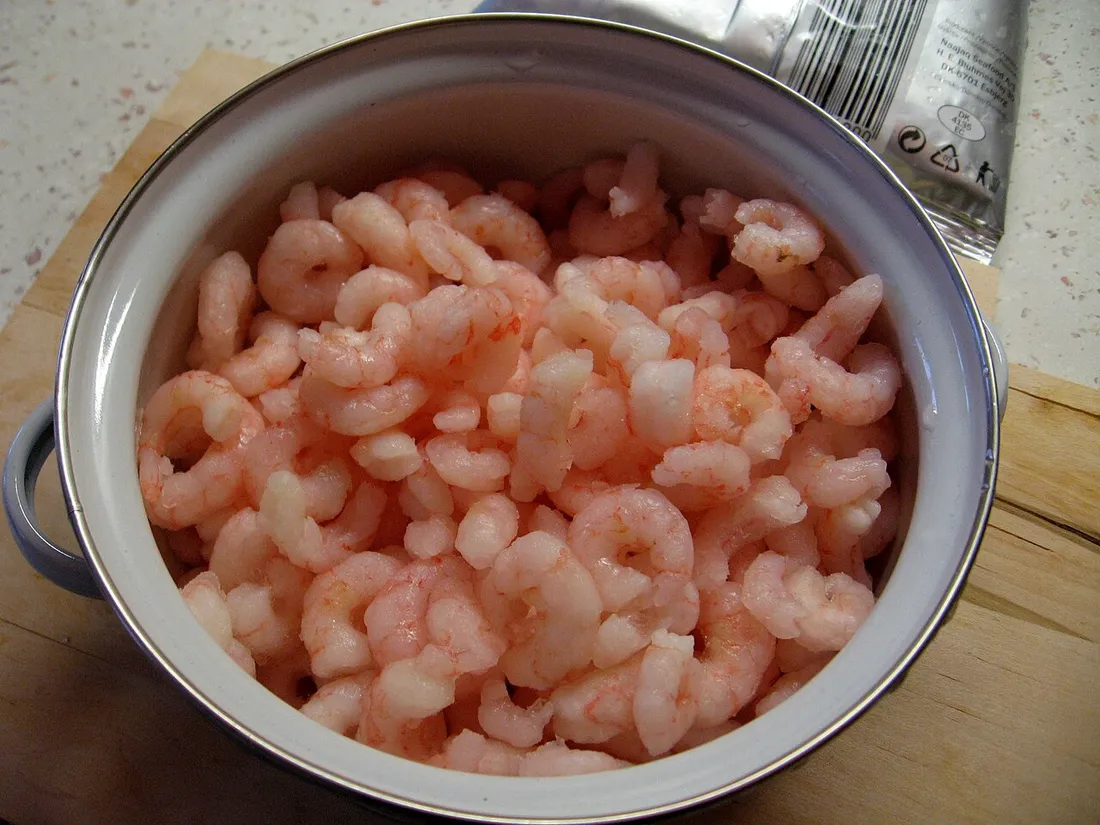 Cold-water color changer
Crustaceans · Coldwater shrimp
Pandalus borealis
The northern prawn is a cold-water shrimp of muddy northern seas. It begins life as a male and later changes sex to become female.
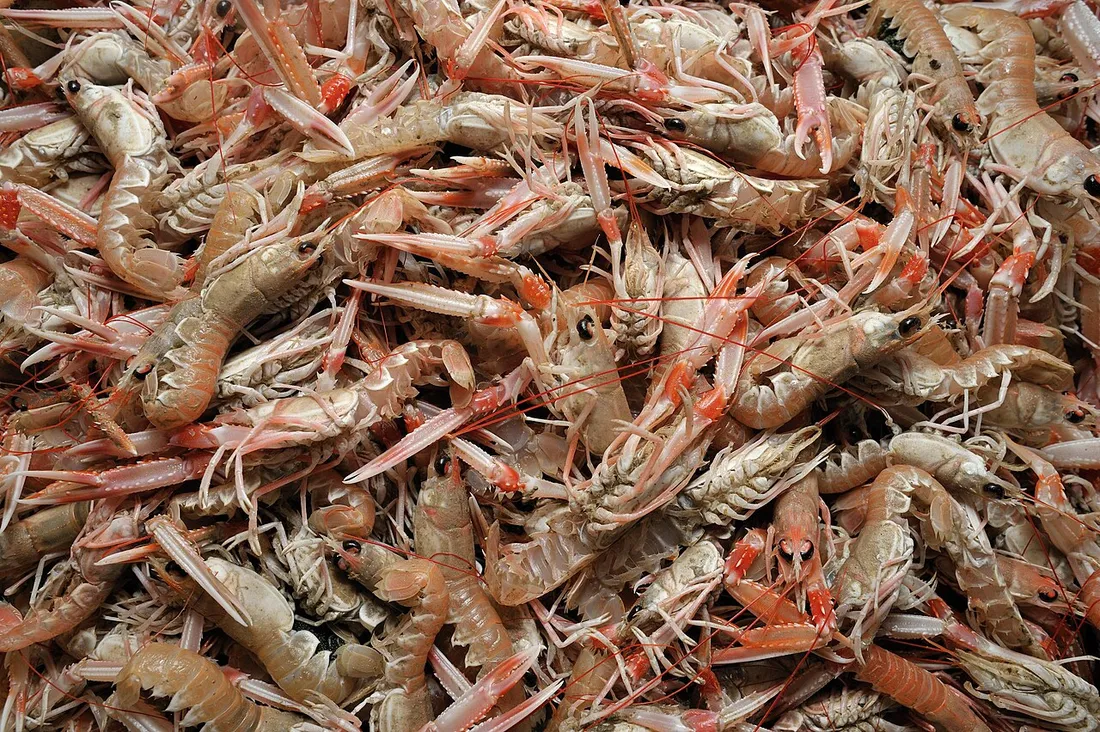 Mud-burrow scampi
Crustaceans · Burrowing lobster
Nephrops norvegicus
The Norway lobster is a small, pale-orange lobster that lives in muddy seafloor burrows. It has distinctive kidney-shaped eyes and long slender claws.
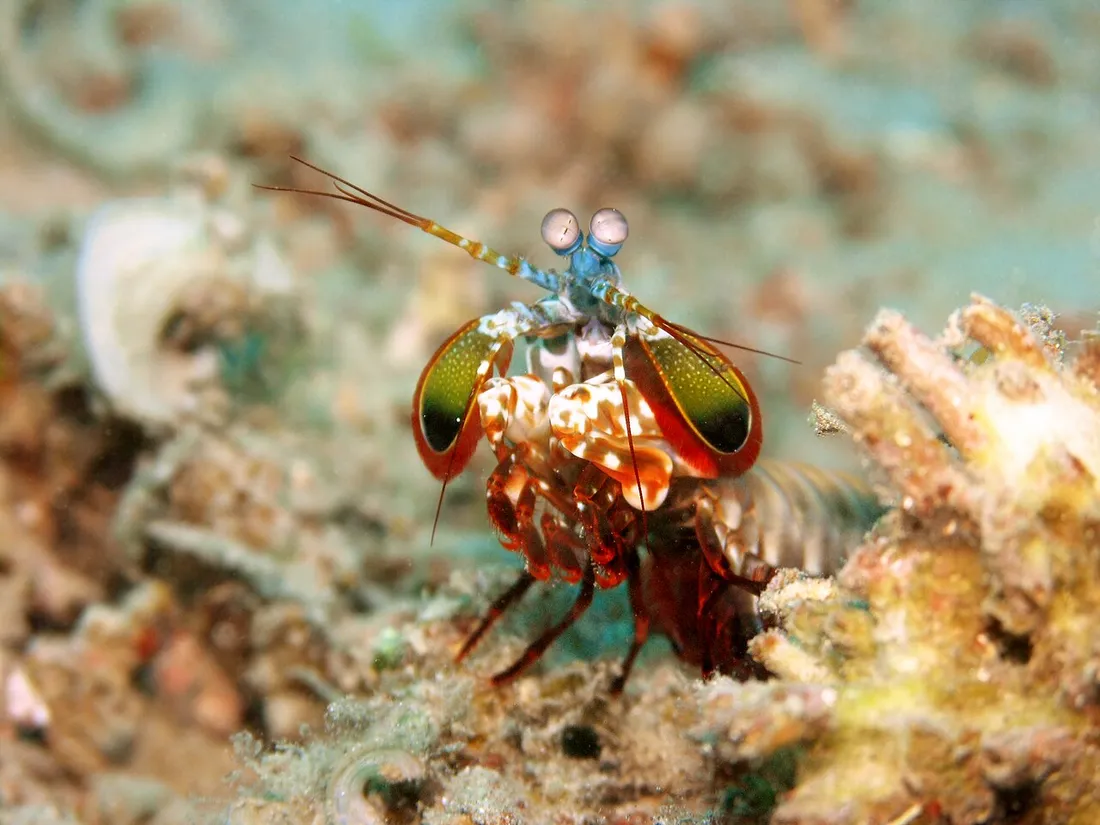 Smashing reef hunter
Crustaceans · Mantis shrimp
Odontodactylus scyllarus
The peacock mantis shrimp is a brilliantly colored tropical stomatopod. It lives in burrows and uses spring-loaded club-like appendages to strike prey.
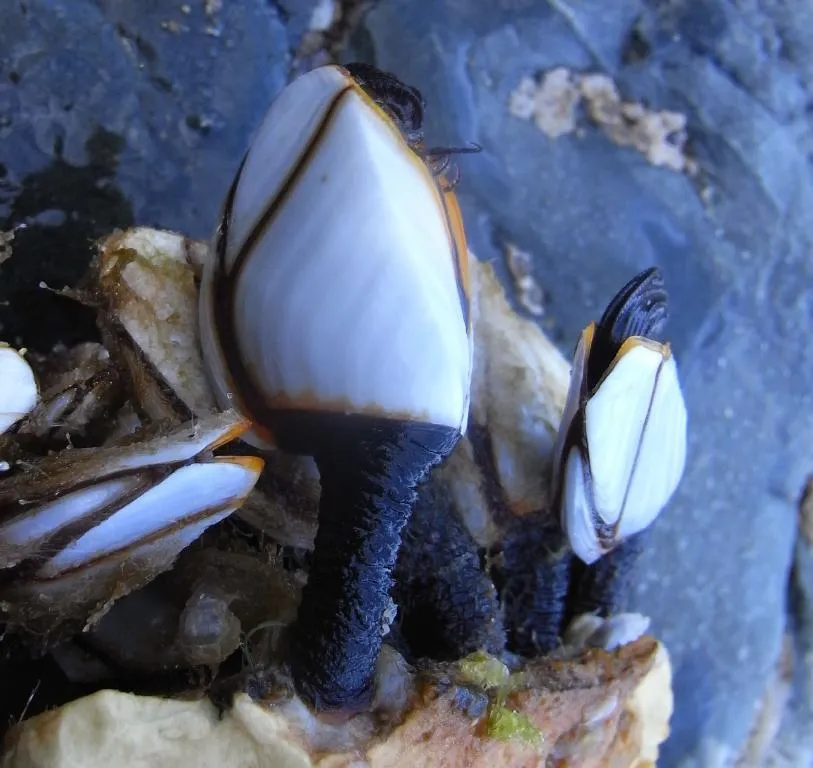 Ocean-drifting filterer
Crustaceans · Gooseneck barnacle
Lepas anatifera
The pelagic gooseneck barnacle attaches to floating objects with a flexible stalk. It drifts across the open ocean while extending feathery limbs to catch food.
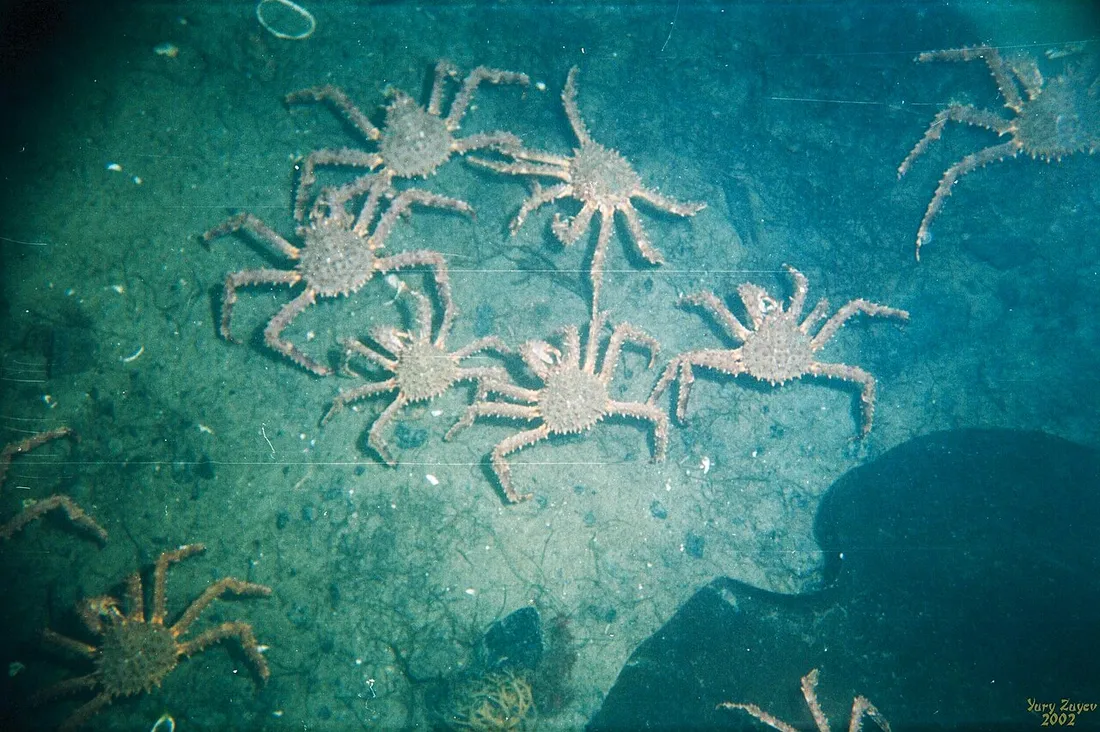 Spiny giant crab
Crustaceans · King crab
Paralithodes camtschaticus
The red king crab is a large, spiny crab of cold northern seas. Juveniles hide in complex shallow habitat, while adults move into deeper shelf waters.
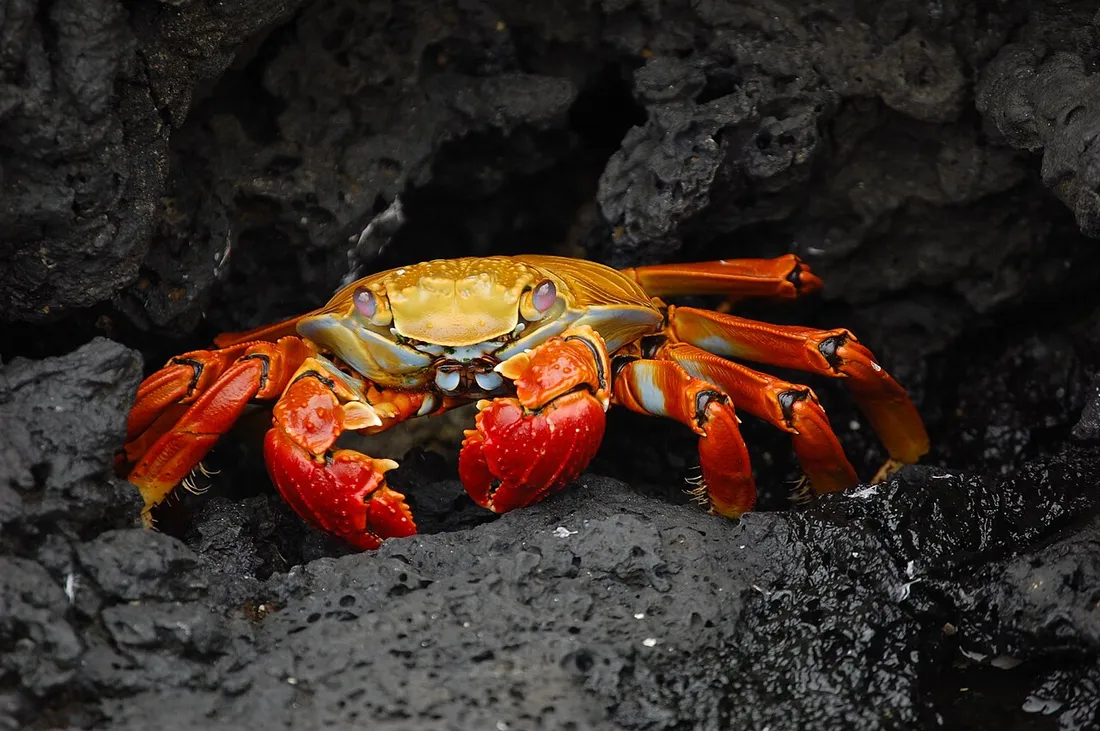 Colorful lava-rock climber
Crustaceans · Rock crab
Grapsus grapsus
The Sally lightfoot crab is a bright, agile crab that clings to tropical rocky shores. It darts between waves and feeds on algae, animals, and carrion.
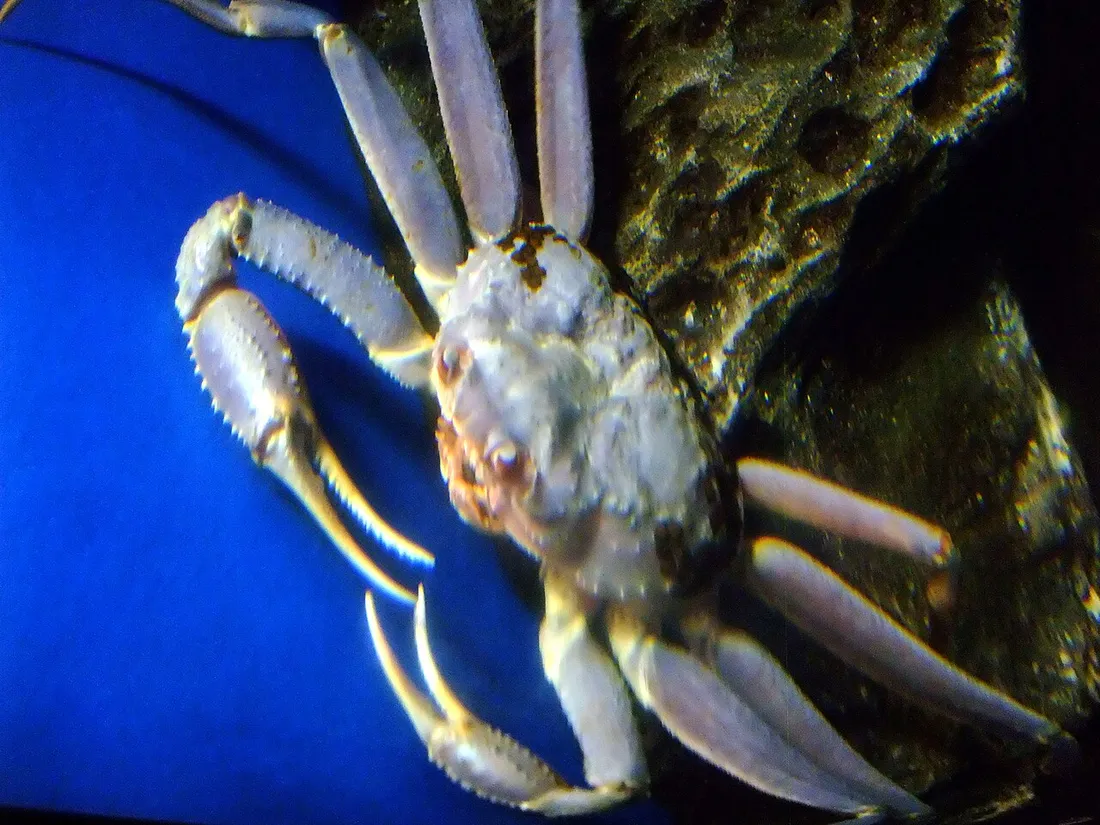 Arctic long-legged crab
Crustaceans · Coldwater crab
Chionoecetes opilio
Snow crabs are long-legged cold-water crabs with a soft-looking, spiny shell. They live on sandy or muddy seafloors in northern oceans.
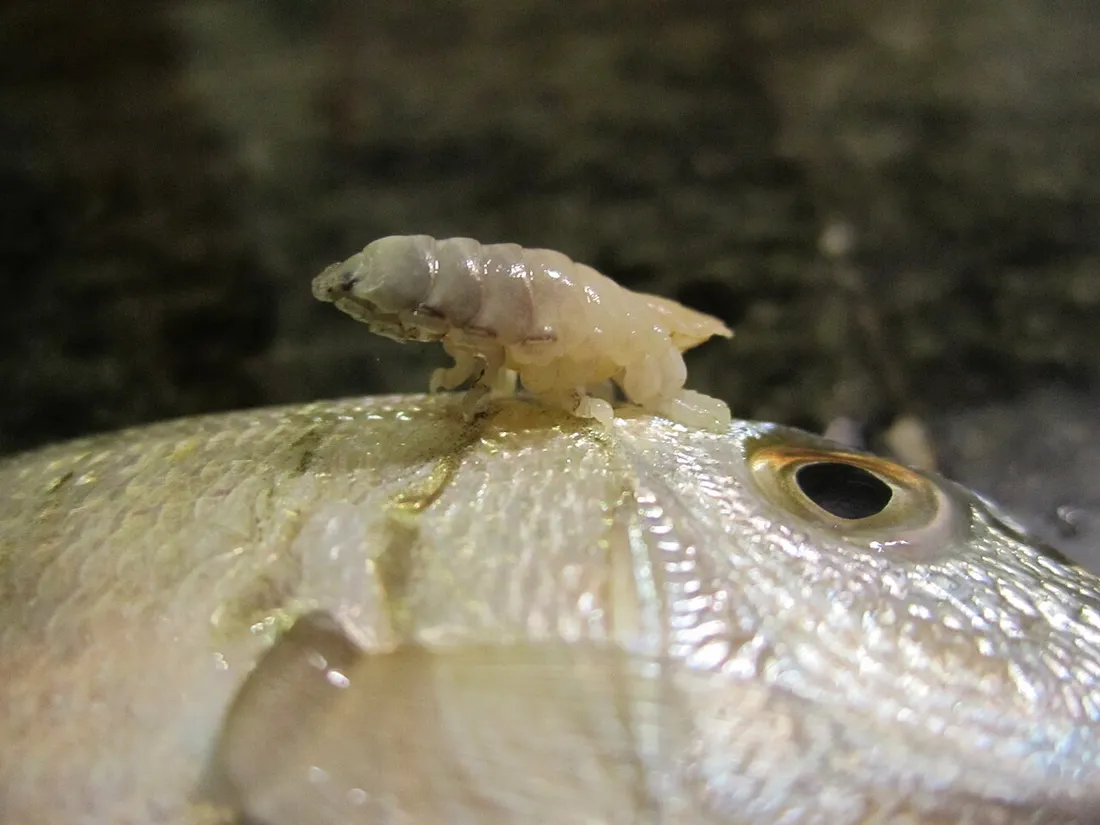 Tongue-replacing parasite
Crustaceans · Parasitic isopod
Cymothoa exigua
The tongue-eating louse is a parasitic isopod that enters a fish through the gills. It attaches to the tongue, causes the tongue to wither, and then occupies its place.
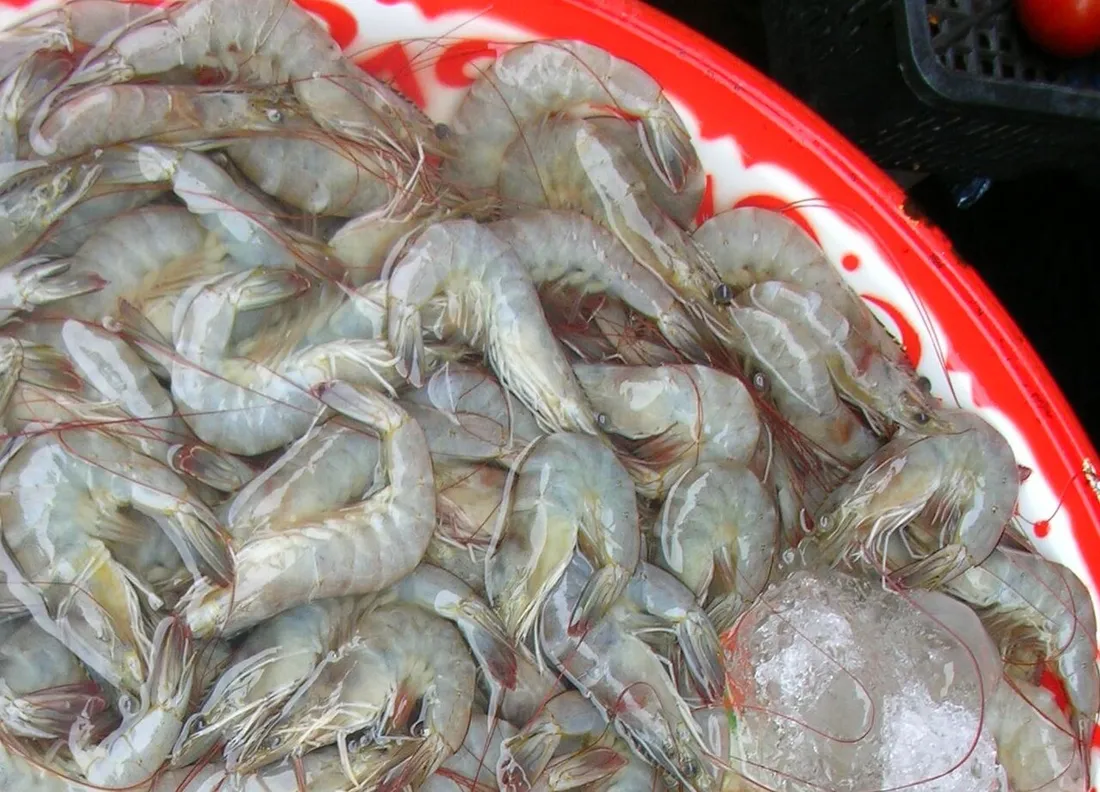 Fast-growing white shrimp
Crustaceans · Penaeid shrimp
Litopenaeus vannamei
Whiteleg shrimp are pale Pacific shrimp that use coastal waters and estuaries. They are widely farmed, but the species originated in the eastern Pacific.
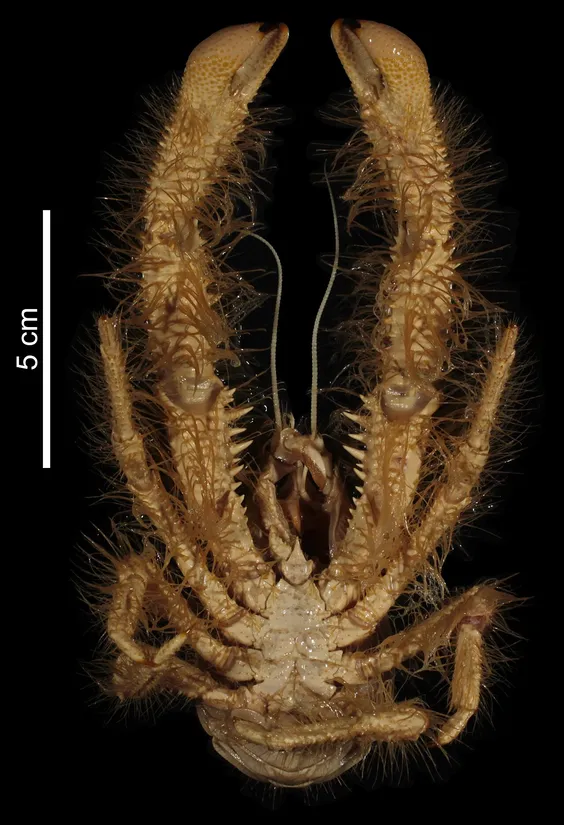 Furry vent farmer
Crustaceans · Vent crab
Kiwa hirsuta
The Yeti crab is a pale, hairy crab discovered near deep-sea hydrothermal vents. Its furry limbs host bacteria that may provide food in this sunless habitat.