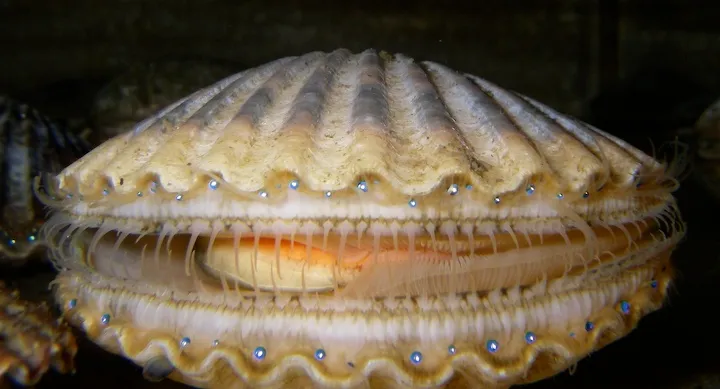
 Swimming scallop
Mollusks · Scallop
Bay scallop
Argopecten irradians
Bay scallops are small bivalves that live among shallow-water grasses and algae. They can clap their shells to swim away from danger.
Aquatic group · 30
Octopuses, squid, clams, snails, and surprising cousins. Each card uses kid-friendly labels without hiding the scientific family tree underneath.
Swimming scallopMollusks · Scallop
Argopecten irradians
Bay scallops are small bivalves that live among shallow-water grasses and algae. They can clap their shells to swim away from danger.
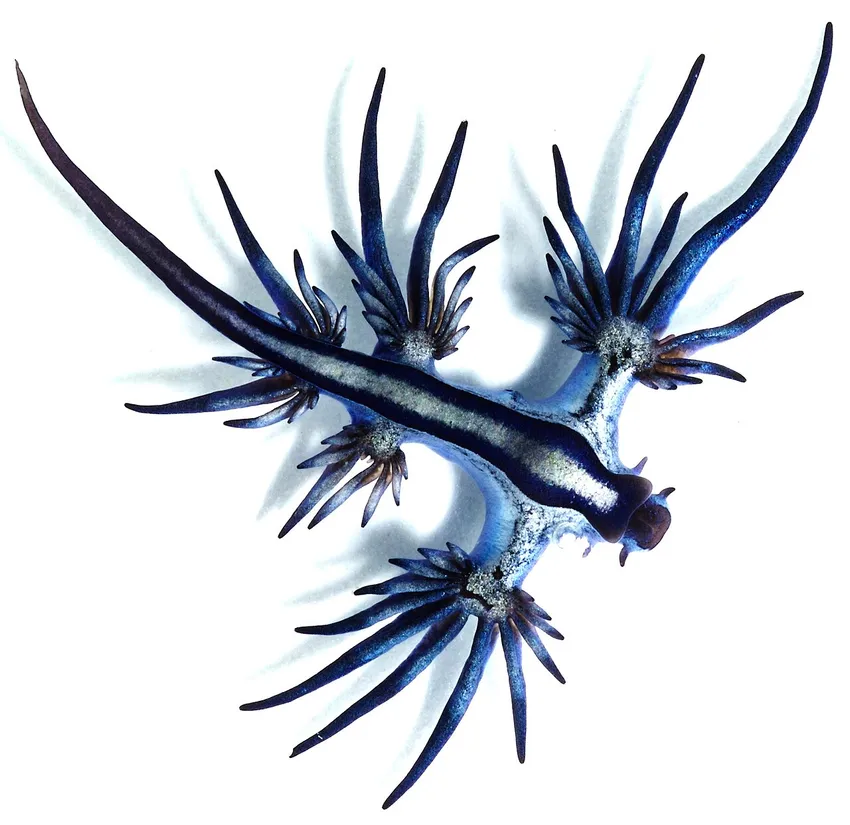 Tiny floating stinger-thief
Mollusks · nudibranch
Glaucus atlanticus
The blue dragon is a tiny pelagic nudibranch that floats upside down at the ocean surface. Its blue-silver coloring helps it blend with the bright sea around it.
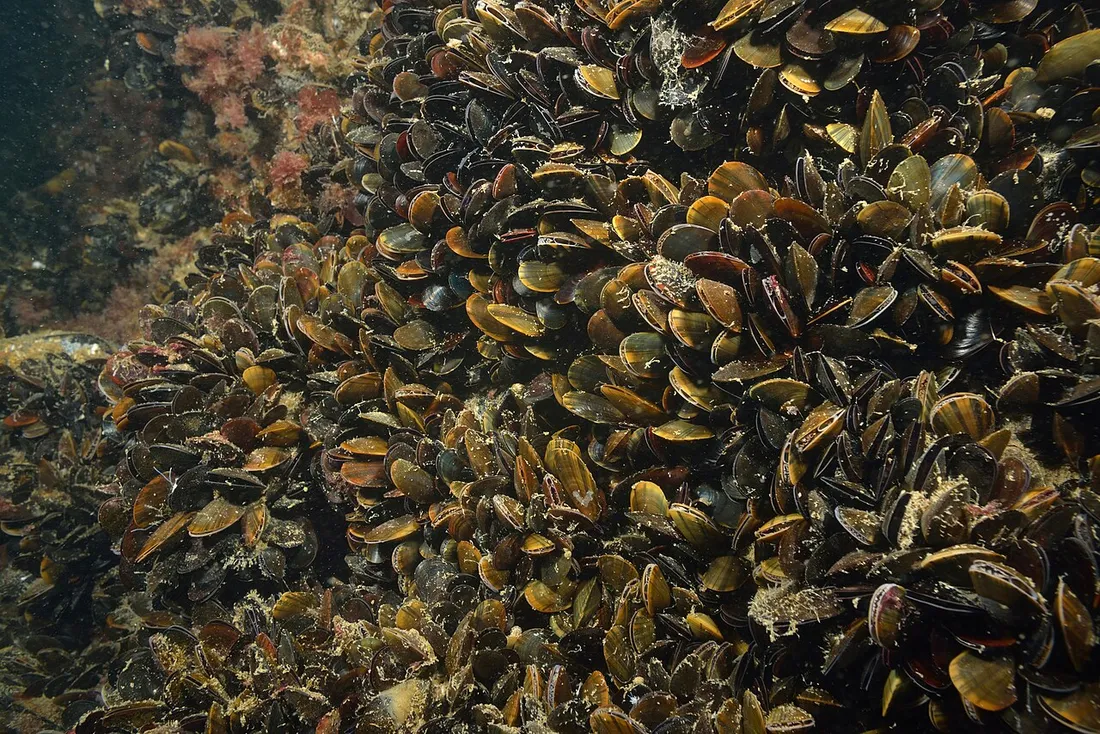 Rock-clinging water filter
Mollusks · mussel
Mytilus edulis
The blue mussel is a bivalve that lives in dense beds along cool coastal shores. Its dark shell protects a soft body that filters food from seawater.
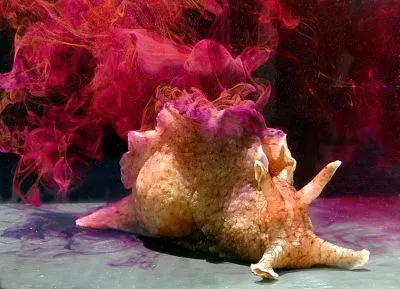 Algae-eating ink sprayer
Mollusks · sea hare
Aplysia californica
The California sea hare is a large shell-less sea slug from the Pacific coast. Its long feelers resemble rabbit ears, giving sea hares their name.
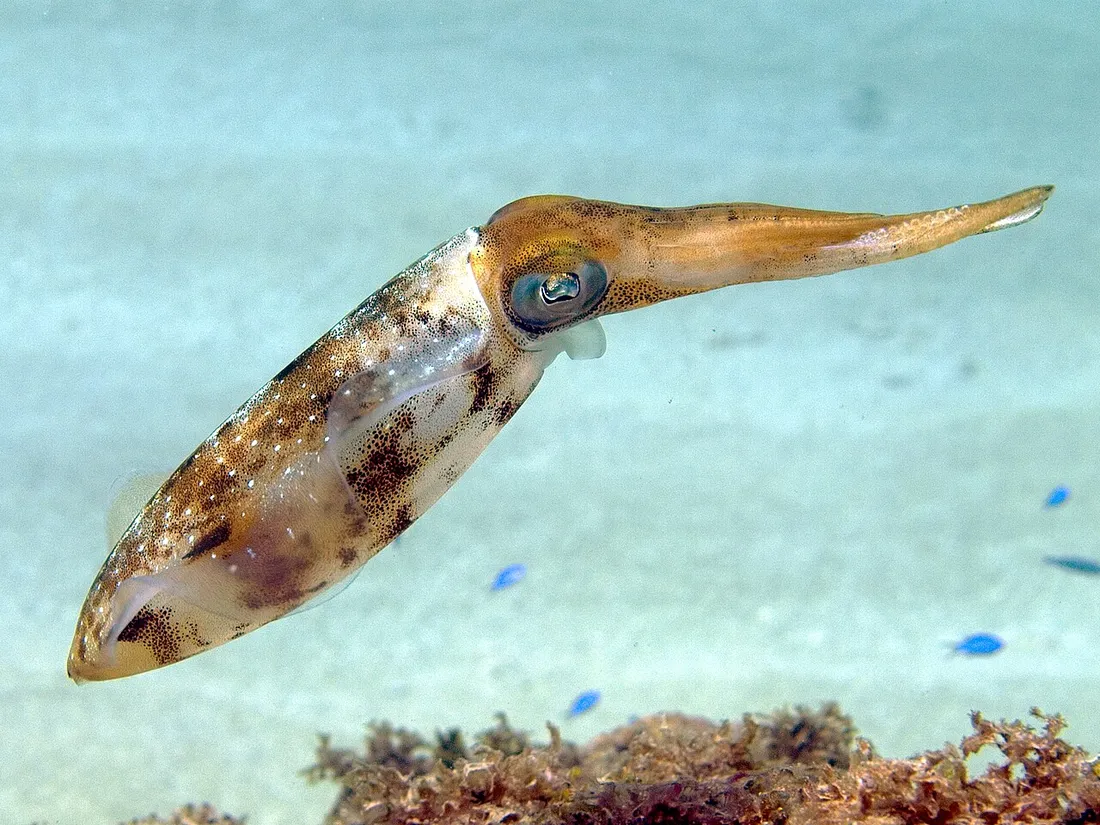 Color-changing reef cruiser
Mollusks · Squid
Sepioteuthis sepioidea
The Caribbean reef squid is a small, streamlined squid that lives around tropical reefs and seagrass. It often travels in small groups and uses changing body patterns to communicate.
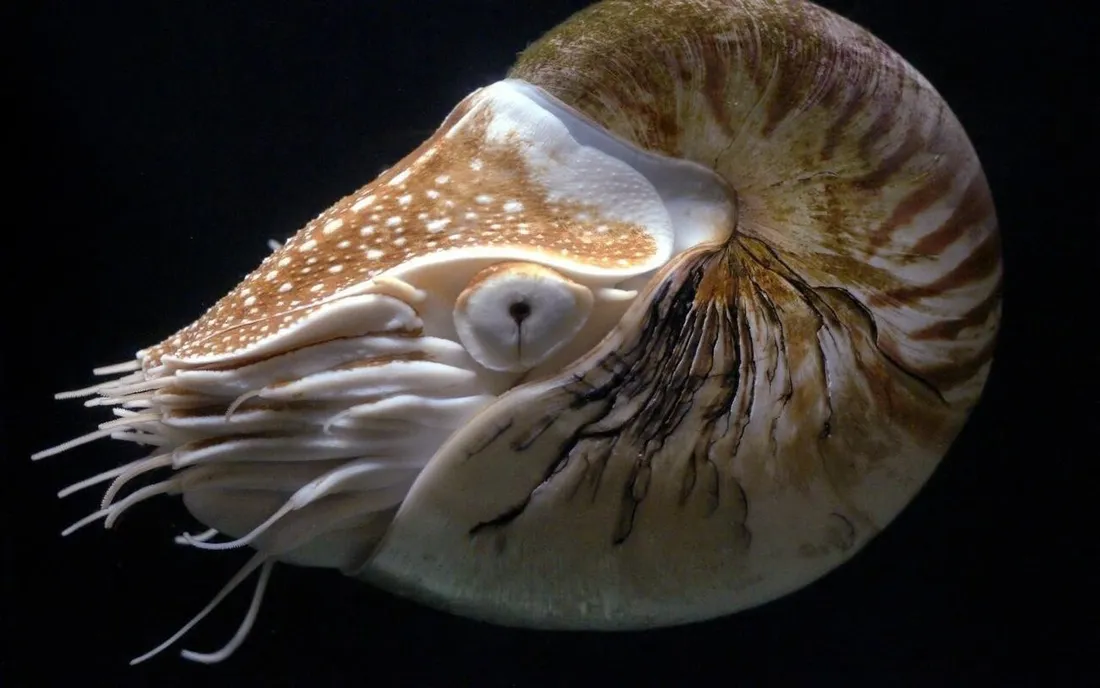 Living spiral time capsule
Mollusks · nautilus
Nautilus pompilius
The chambered nautilus is a tentacled cephalopod with a hard, coiled shell. It moves through deep coastal waters by controlling gas and water in the shell's chambers.
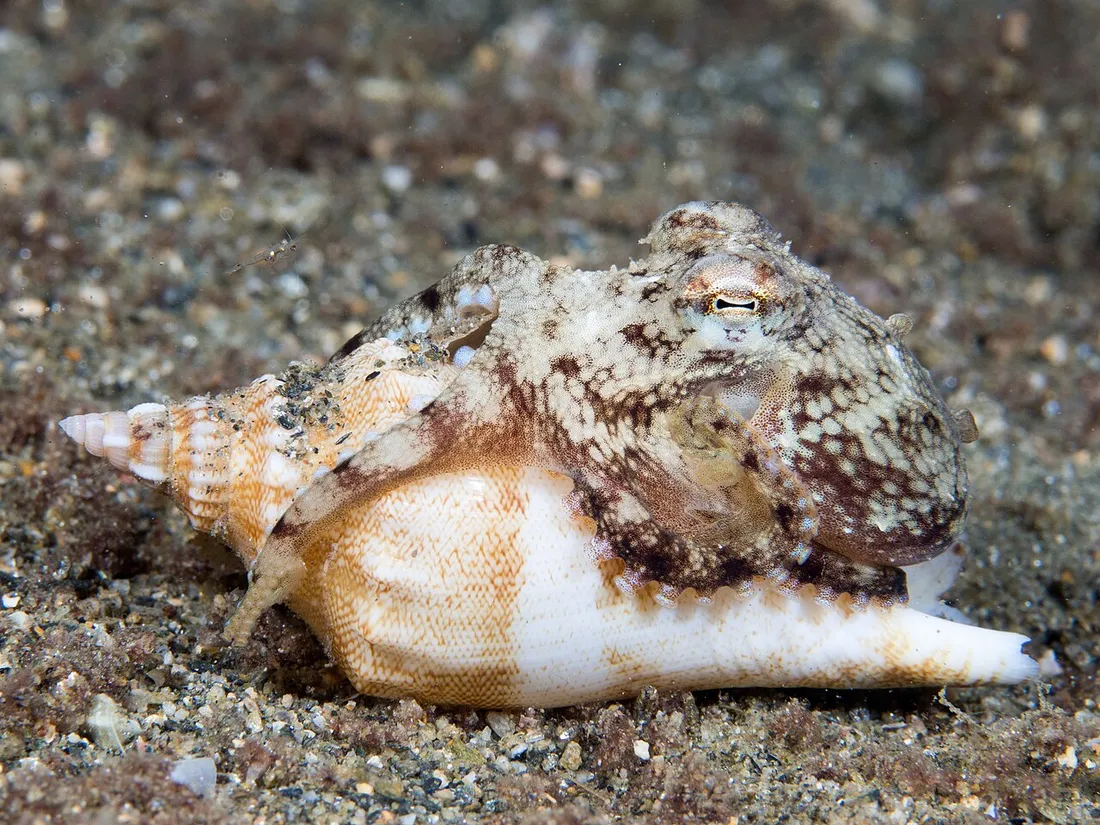 Shell-carrying cleverclaws
Mollusks · Octopus
Amphioctopus marginatus
The coconut octopus is a small Indo-Pacific octopus that often lives on sandy bottoms. It is famous for carrying shells and other objects to use as portable shelter.
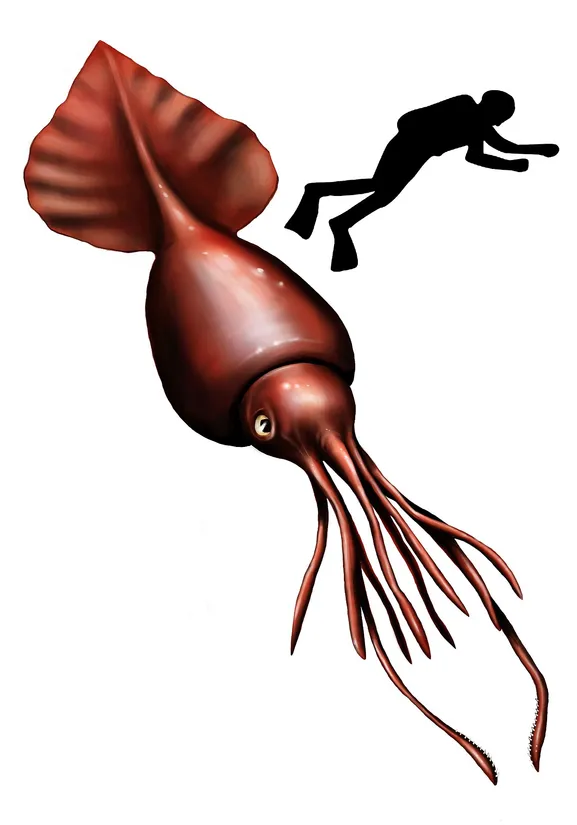 Heavyweight of the deep
Mollusks · Squid
Mesonychoteuthis hamiltoni
The colossal squid is a massive Antarctic cephalopod with a broad body and powerful arms. It is one of the least commonly observed large animals in the ocean.
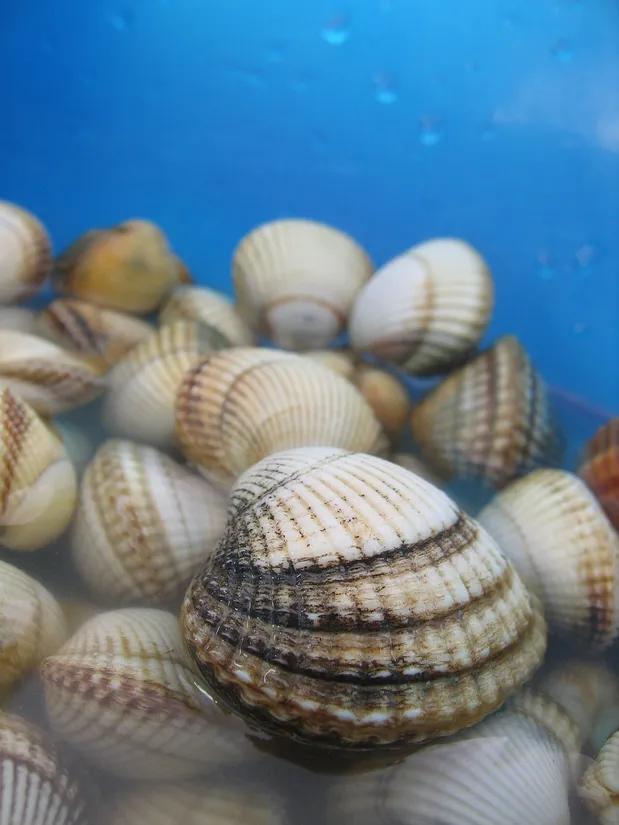 Heart-shaped shell
Mollusks · Cockle
Cerastoderma edule
Common cockles are burrowing bivalves that live in sandy or muddy coastal flats. Their ribbed shells look heart-shaped when viewed from the side.
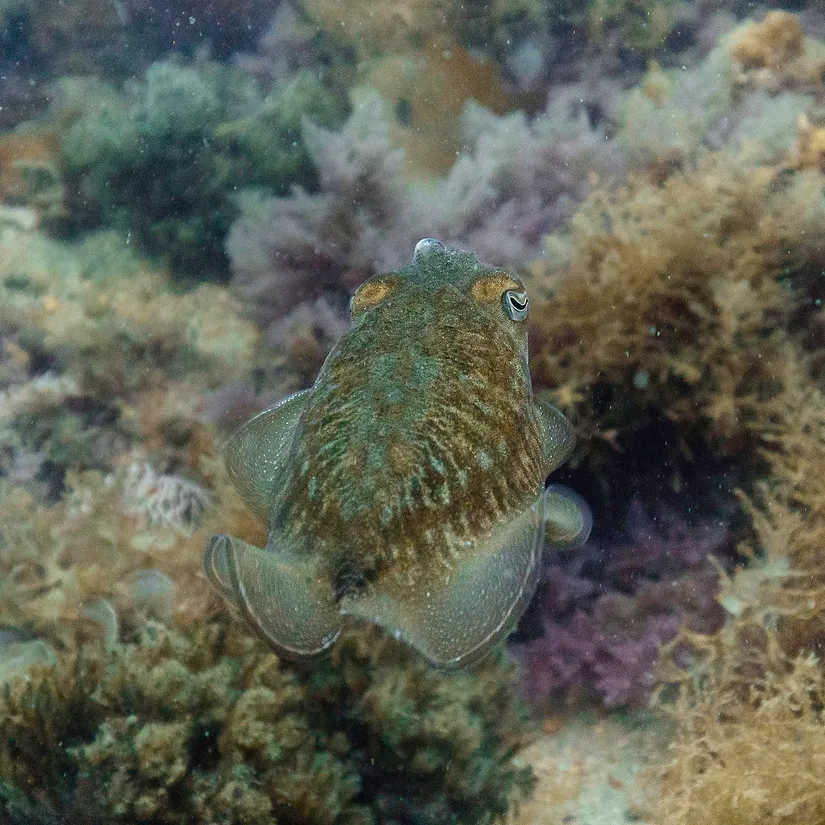 Camouflage master
Mollusks · Cuttlefish
Sepia officinalis
The common cuttlefish is a broad-bodied coastal cephalopod with eight arms, two tentacles, and an internal cuttlebone. It hunts over sandy and muddy seabeds in the eastern Atlantic and Mediterranean.
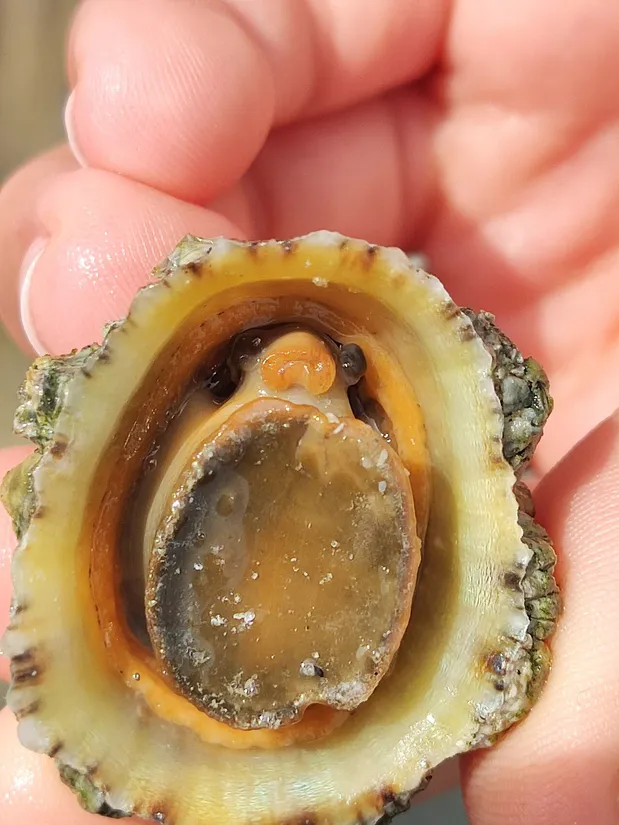 Rock-clinging grazer
Mollusks · Limpet
Patella vulgata
Common limpets are cone-shaped sea snails that cling to rocky shores across the northeastern Atlantic. They graze algae when the tide covers them and return to a familiar resting scar.
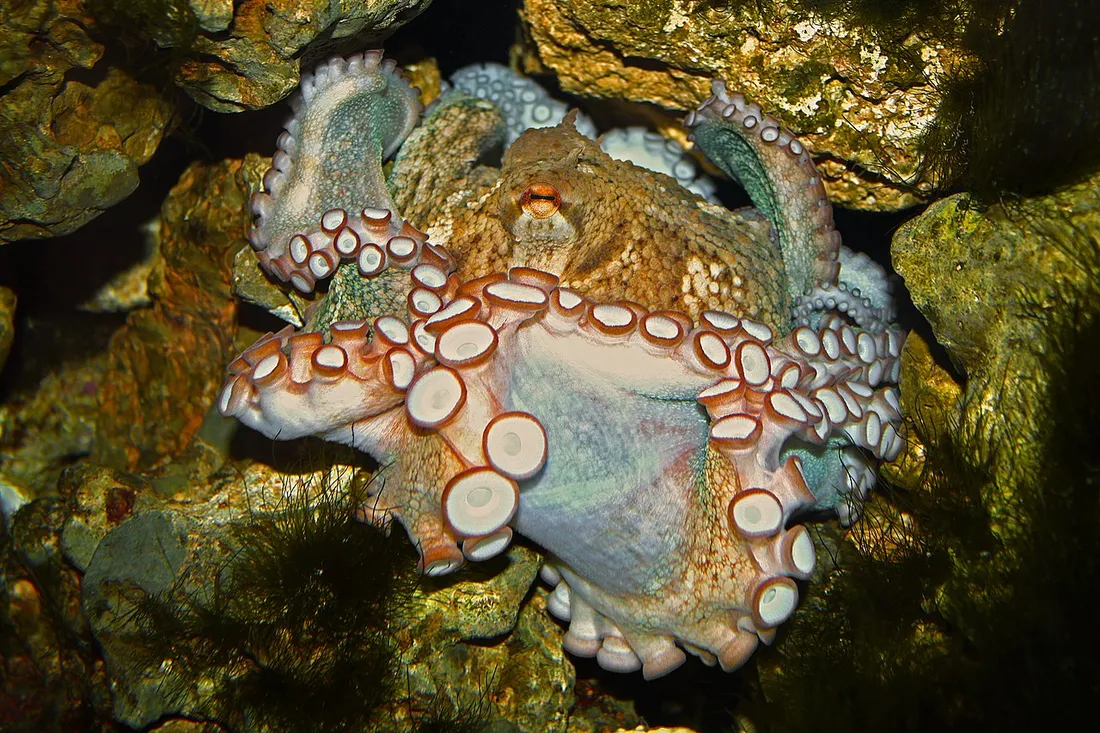 Eight-armed escape artist
Mollusks · Octopus
Octopus vulgaris
The common octopus is a soft-bodied marine hunter with eight flexible arms and remarkable camouflage. It lives on the seafloor and can squeeze through surprisingly small openings.
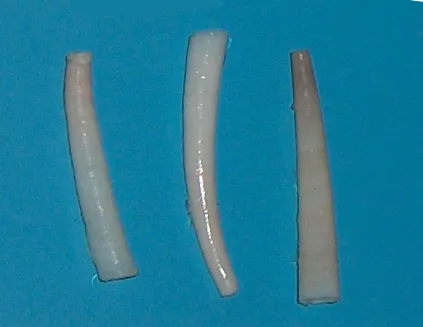 Buried ivory shape
Mollusks · Scaphopod
Antalis vulgaris
Common tusk shells are slender marine mollusks with curved, tube-shaped shells open at both ends. They live buried in soft seafloor sediments and search through the sand for tiny prey.
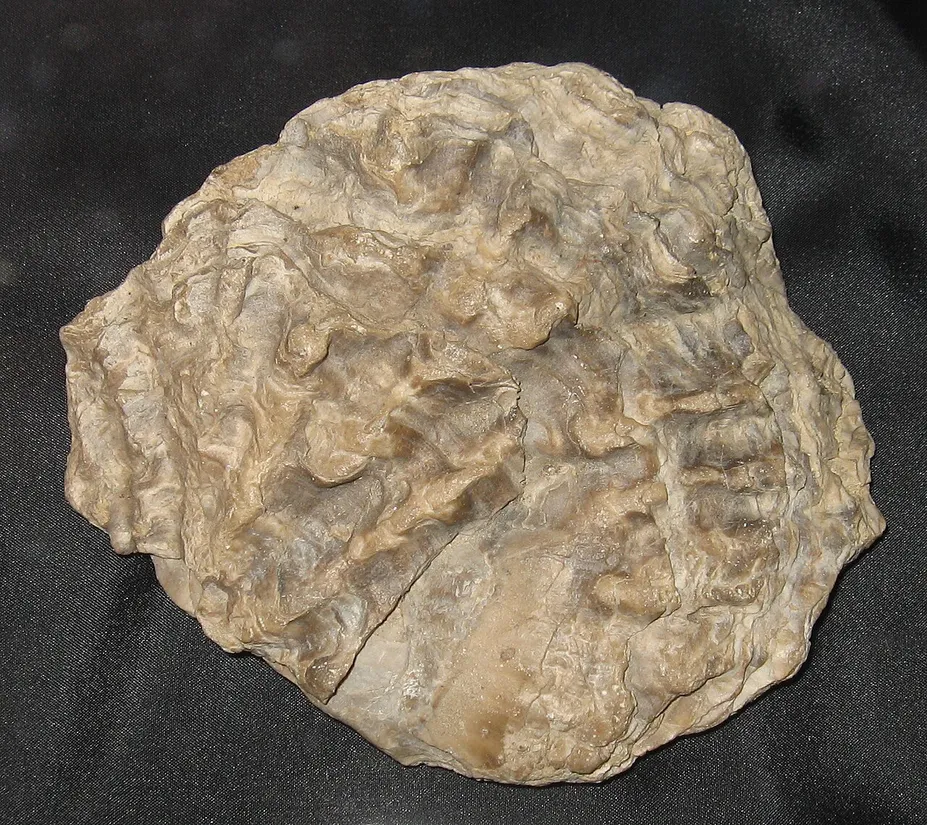 Reef-building water cleaner
Mollusks · oyster
Crassostrea virginica
The eastern oyster is a stationary bivalve native to the Atlantic coast of North America. Groups of oysters build reefs that shelter many other animals.
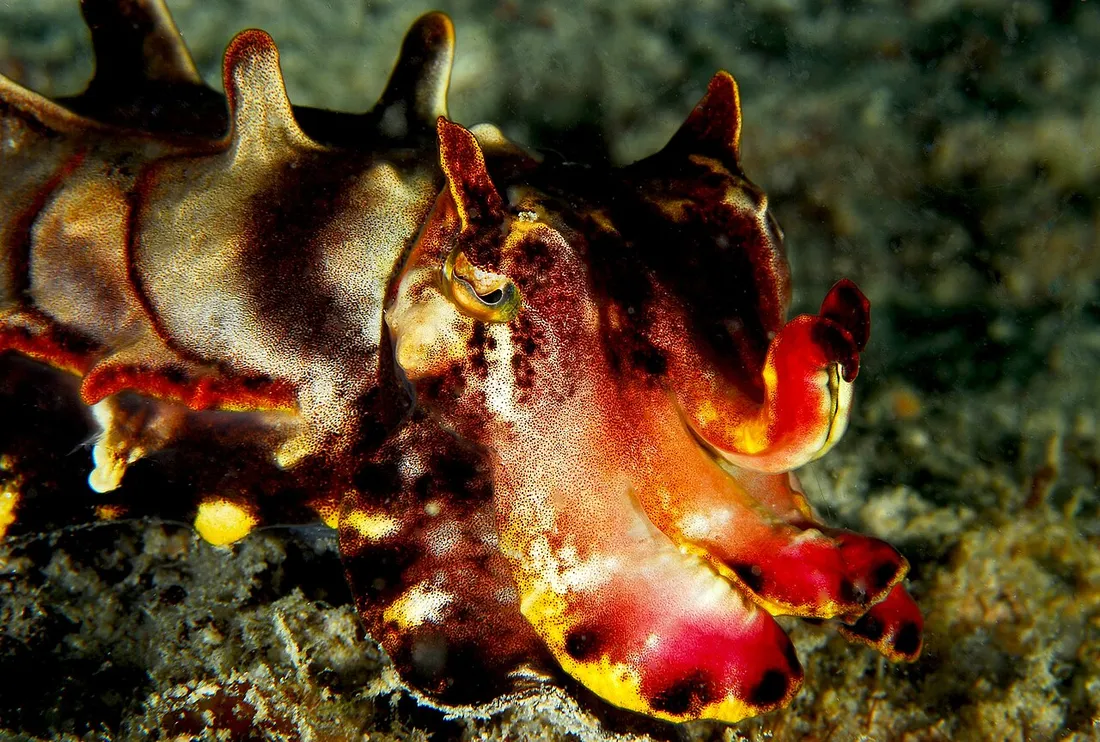 Walking color warning
Mollusks · cuttlefish
Metasepia pfefferi
The flamboyant cuttlefish is a small tropical cephalopod that walks across the seafloor on its arms. Its vivid warning colors appear when it is disturbed.
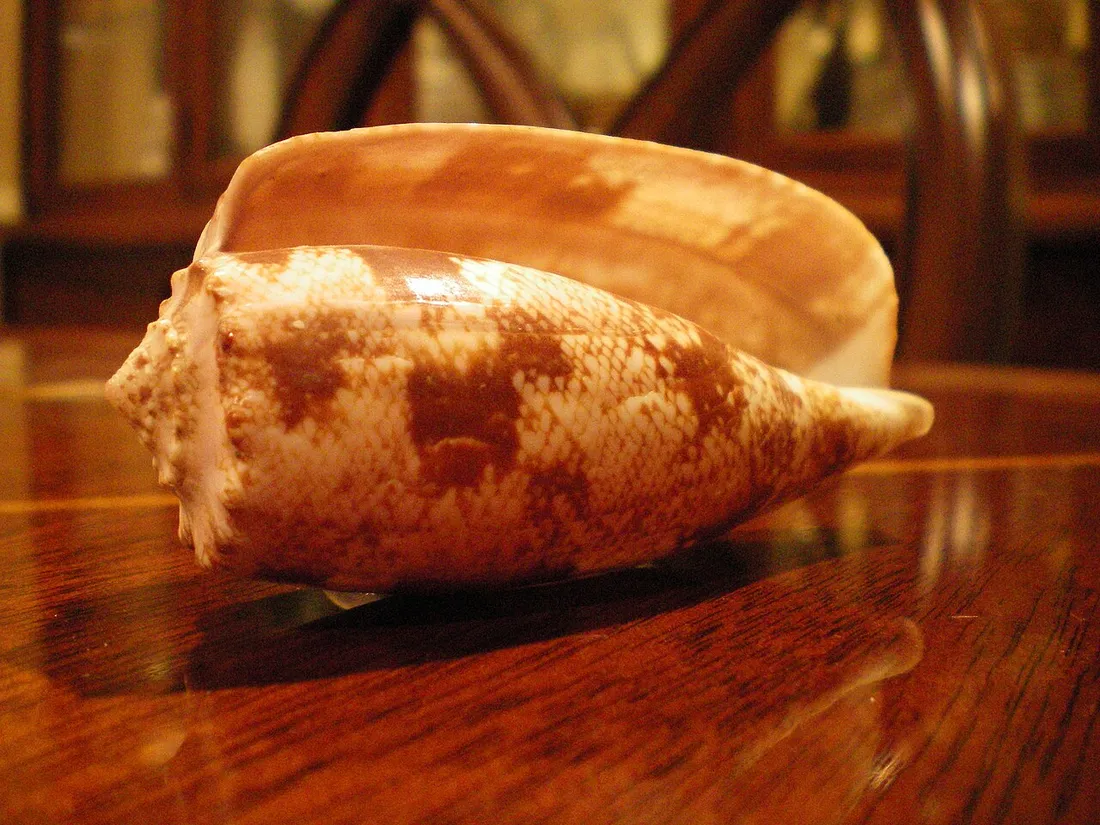 Venomous fish hunter
Mollusks · Cone snail
Conus geographus
The geography cone is a predatory cone snail from tropical Indo-Pacific reefs. It hunts fish with a venomous, harpoon-like tooth that can also seriously injure people.
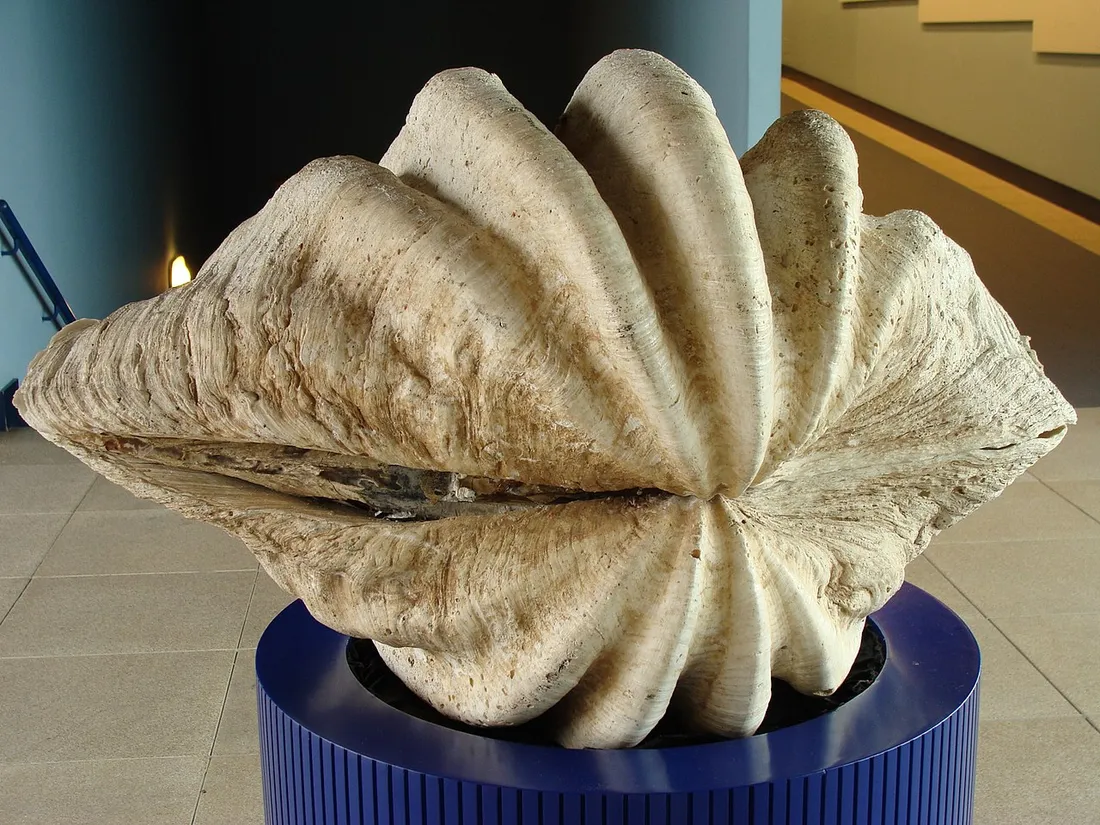 Reef's giant solar clam
Mollusks · giant clam
Tridacna gigas
The giant clam is the largest living marine bivalve. It lives on tropical coral reefs and gains much of its energy from microscopic algae living in its mantle.
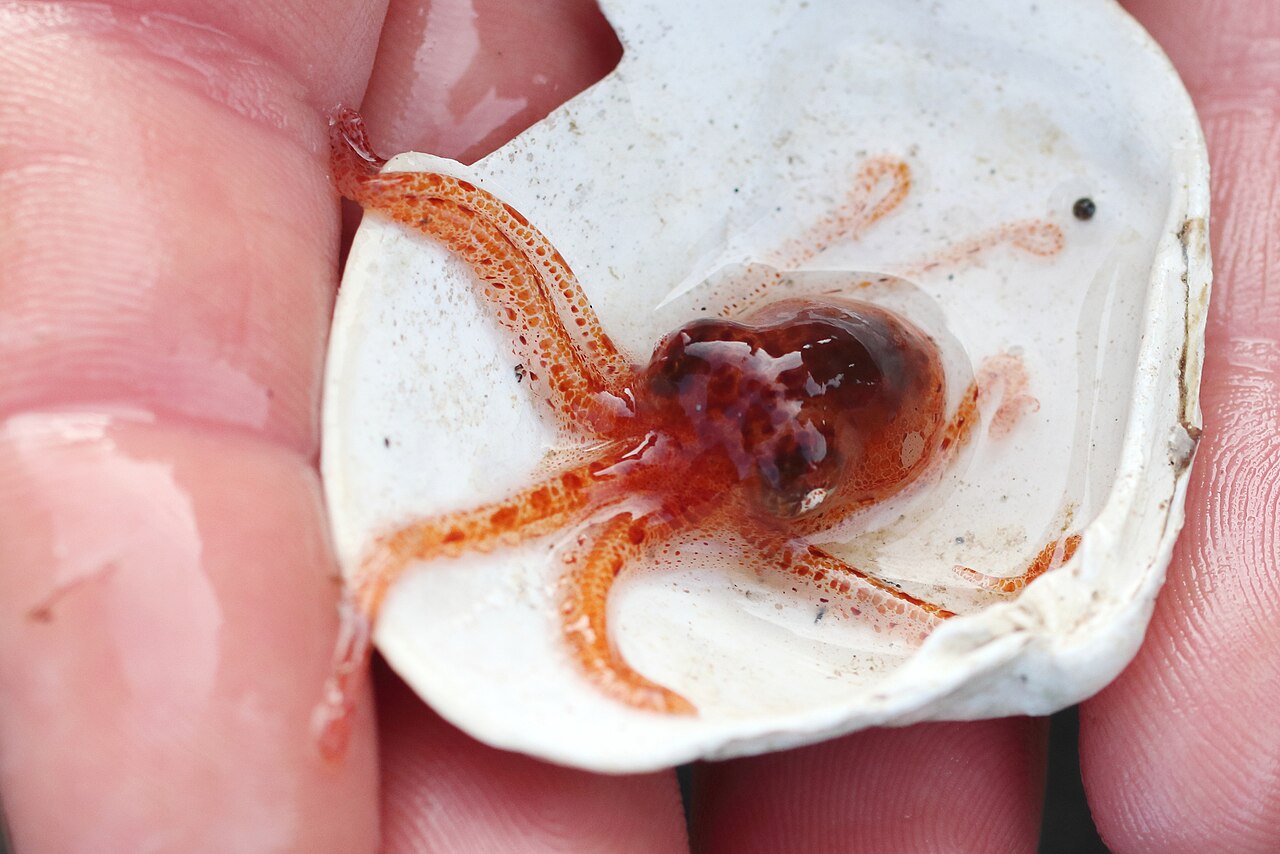 Camouflage genius
Mollusks · Cephalopods
Enteroctopus dofleini
The giant Pacific octopus is the largest octopus species. It patrols cold northern seafloors with eight flexible arms, excellent vision, and a talent for disappearing in plain sight.
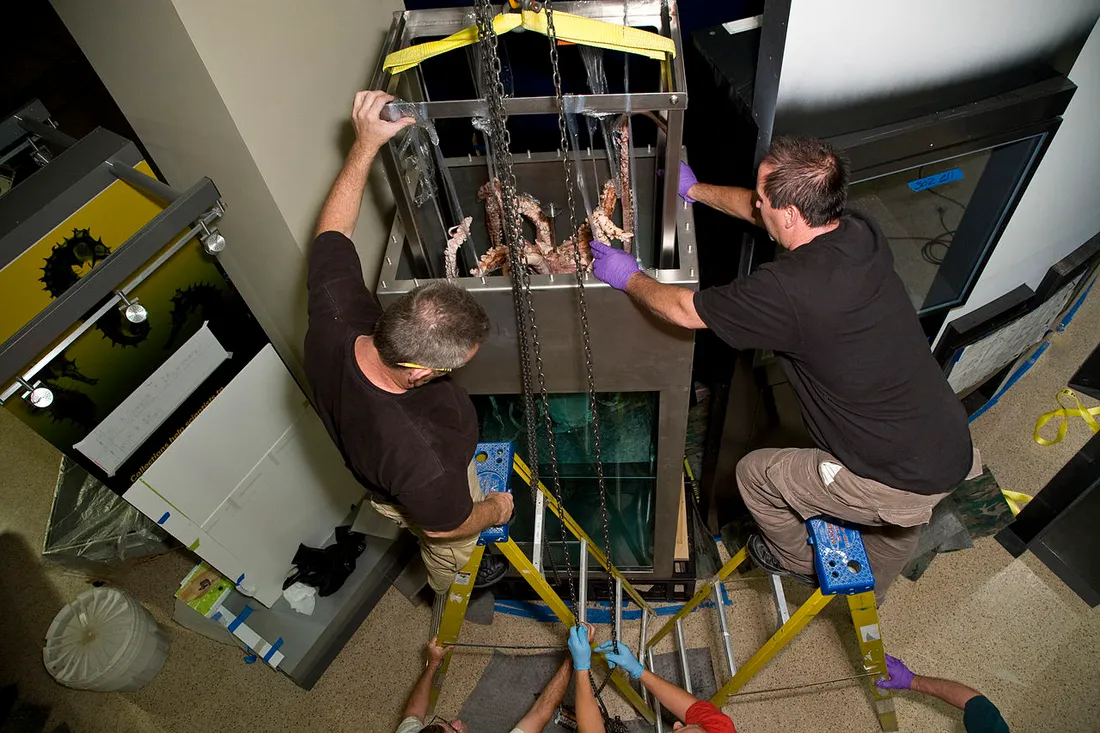 Eyes like dinner plates
Mollusks · Squid
Architeuthis dux
The giant squid is a rarely seen deep-ocean predator with a long mantle and two exceptionally long feeding tentacles. It lives far below the surface and is best known from stranded specimens and deep-sea observations.
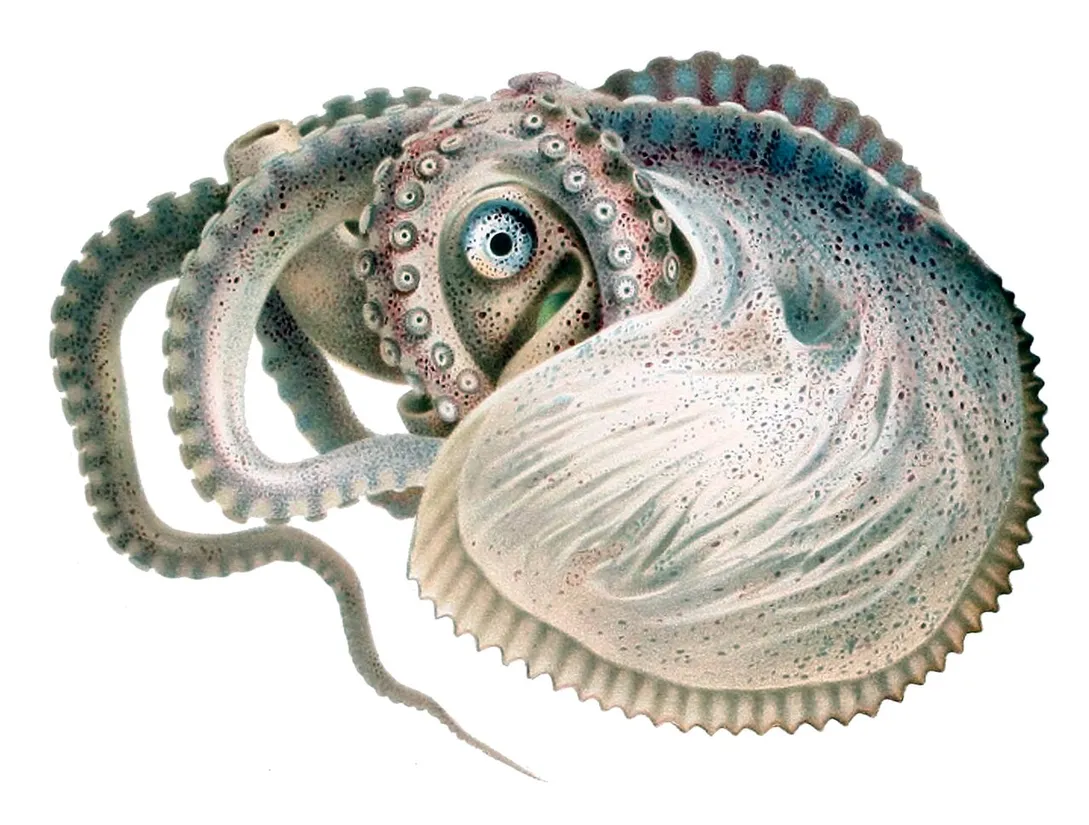 Ocean-floating paper shell
Mollusks · argonaut
Argonauta argo
The greater argonaut is a pelagic octopus that drifts near the ocean surface. Females make a delicate eggcase that resembles a thin paper shell.
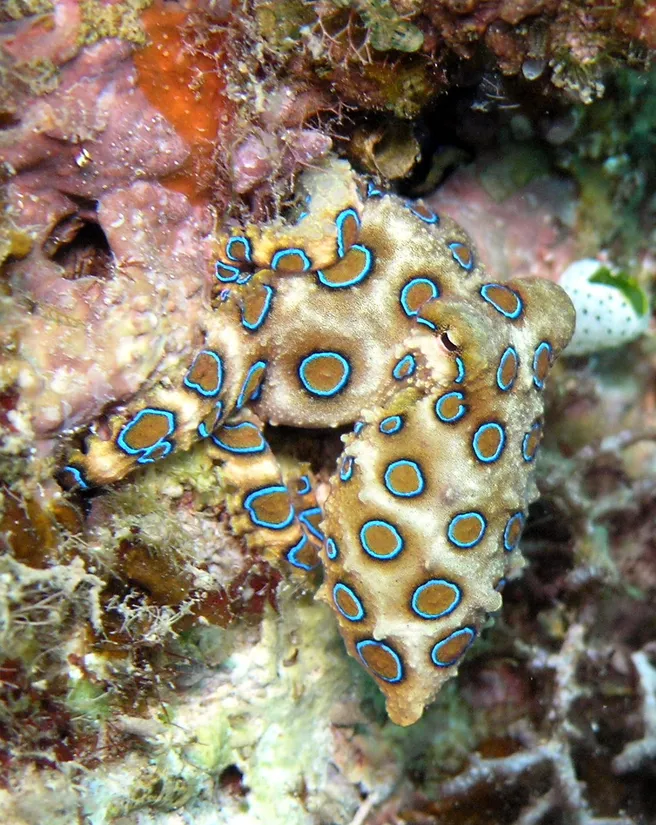 Tiny toxin warning
Mollusks · Octopus
Hapalochlaena lunulata
The greater blue-ringed octopus is a small tropical octopus marked with brilliant blue rings. Its venom contains tetrodotoxin, so this beautiful animal should never be touched.
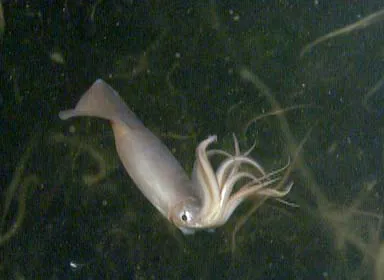 Fast-growing night hunter
Mollusks · Squid
Dosidicus gigas
The Humboldt squid is a large, active predator of the eastern Pacific Ocean. It forms groups and makes daily vertical migrations through the water column.
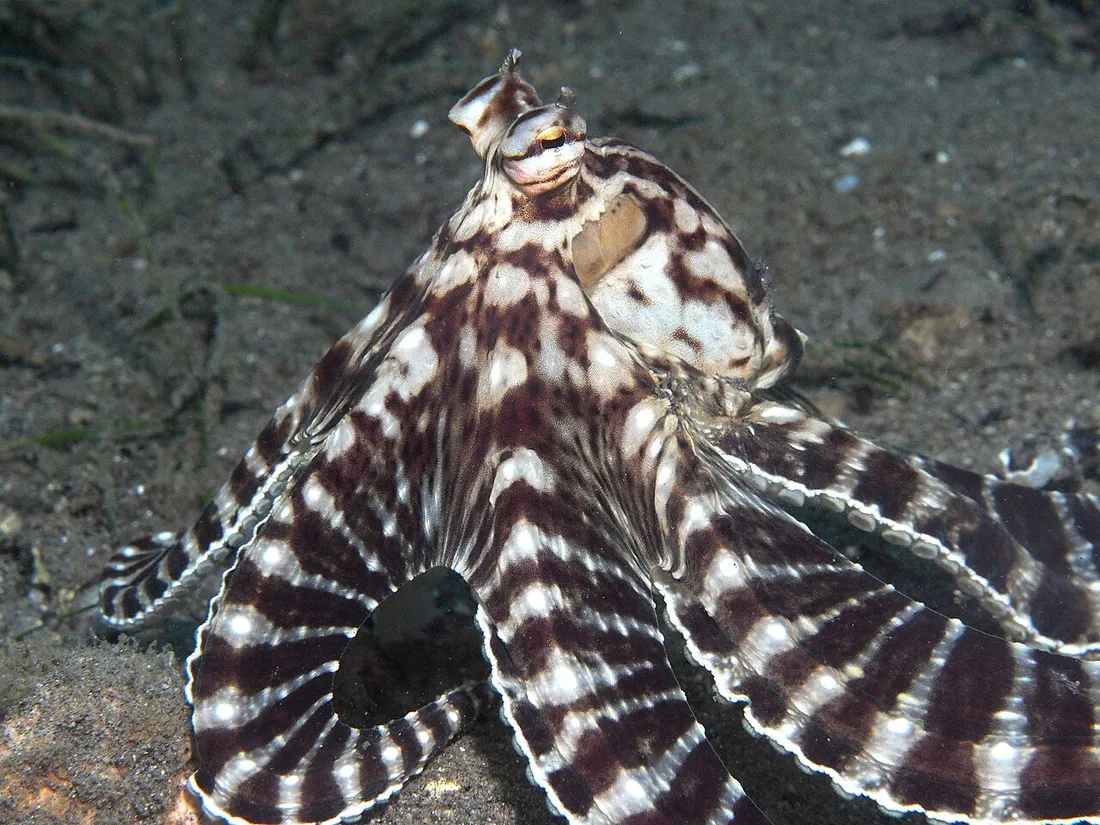 Master of disguise
Mollusks · Octopus
Thaumoctopus mimicus
The mimic octopus lives on soft tropical seafloors and can imitate the shapes and movements of other animals. Its unusual disguises may help discourage predators.
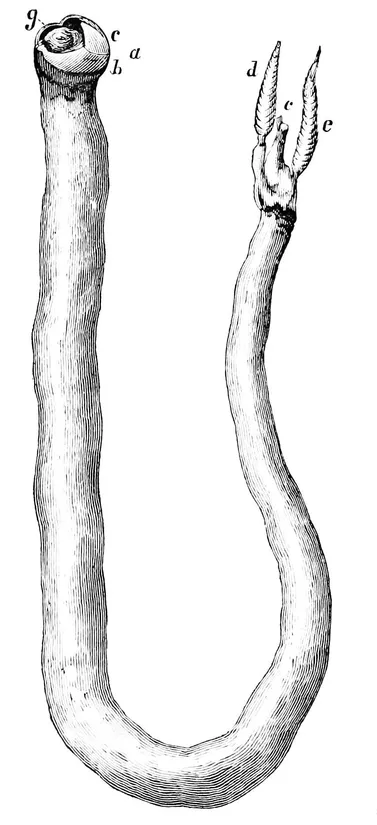 Wood-boring clam
Mollusks · Wood-boring clam
Teredo navalis
The naval shipworm is not a worm but a bivalve that lives inside submerged wood. Its tiny shell-covered front end drills tunnels while the long body feeds and breathes inside the tunnel.
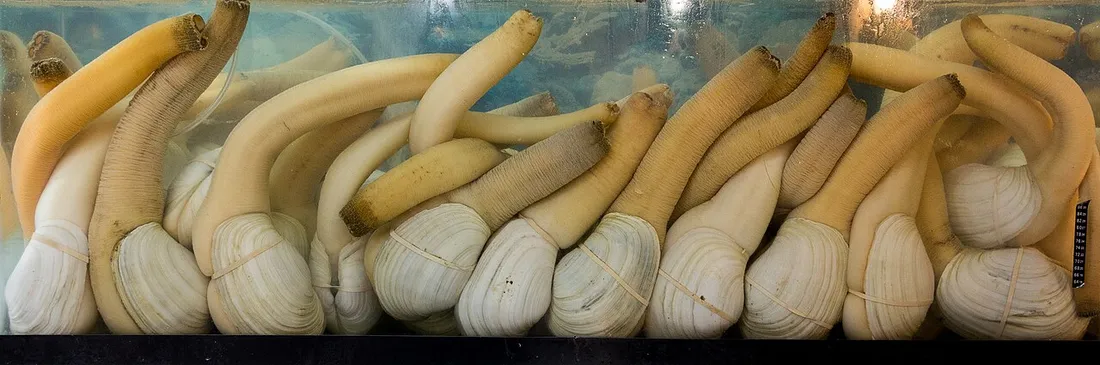 Deep-burrowing clam
Mollusks · Burrowing clam
Panopea generosa
Pacific geoducks are giant clams with small shells and remarkably long siphons. They spend most of their lives buried in coastal sediment while filtering food from the water.
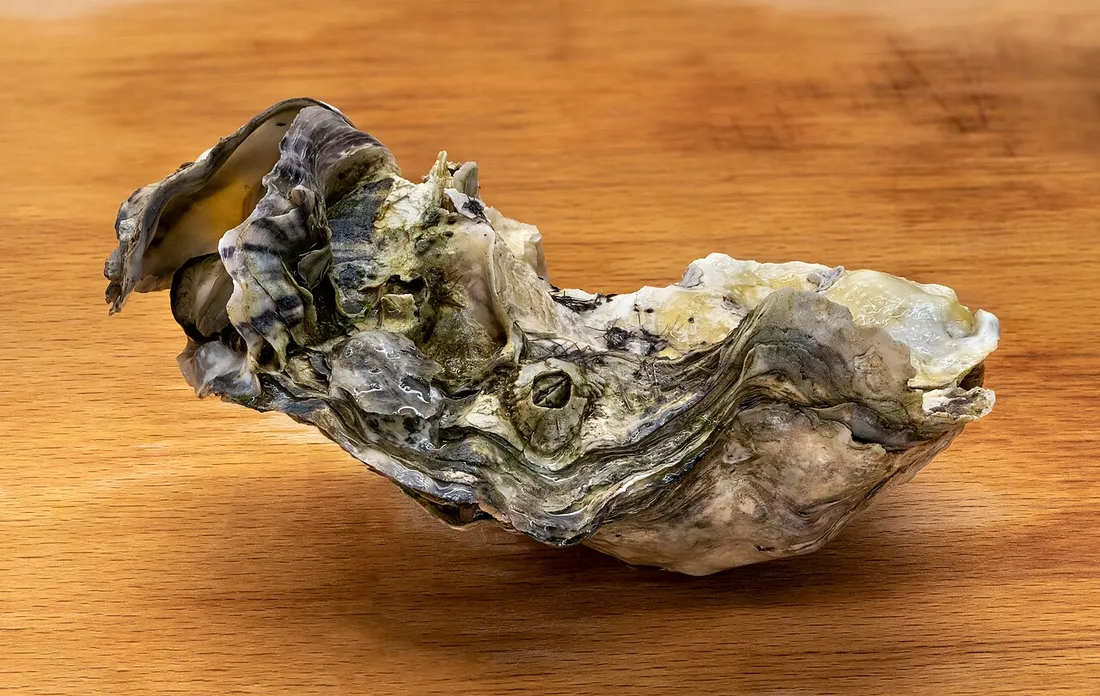 Fast-growing reef builder
Mollusks · oyster
Magallana gigas
The Pacific oyster is a hard-shelled bivalve native to the western Pacific. It attaches to firm surfaces and filters microscopic food from coastal water.
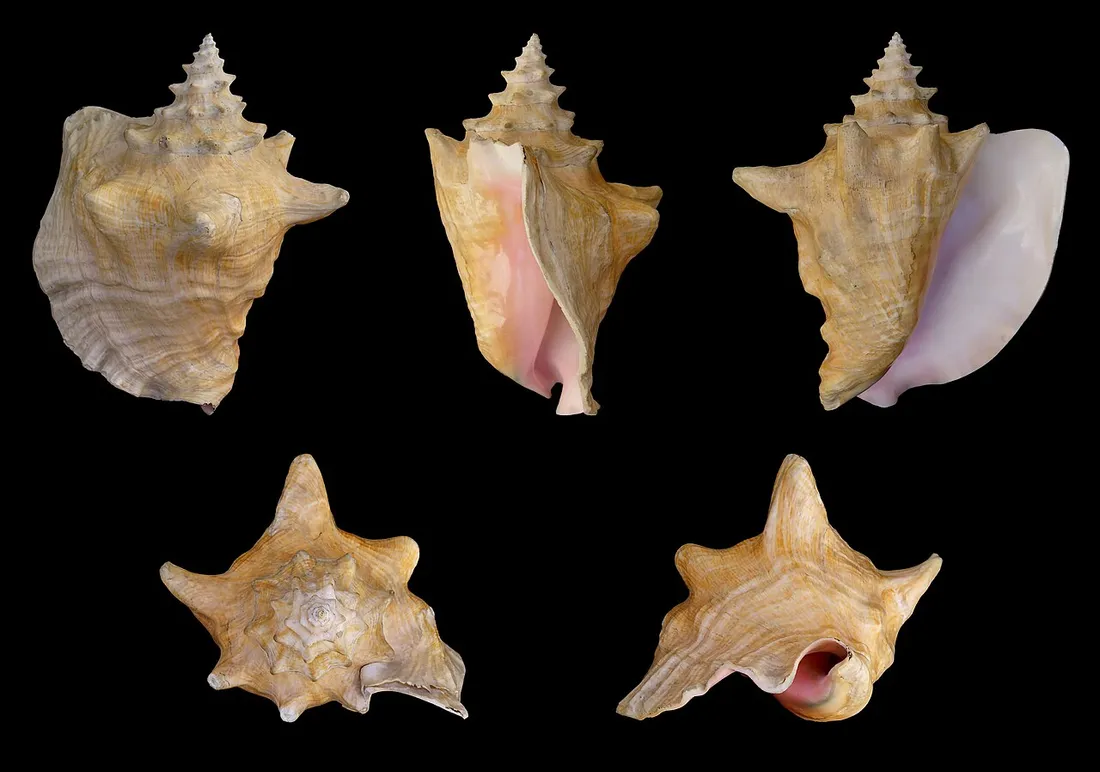 Caribbean shell giant
Mollusks · Sea snail
Aliger gigas
Queen conchs are large Caribbean sea snails with heavy shells and bright pink or orange interiors. They graze across seagrass beds, sandy flats, and algal habitats.
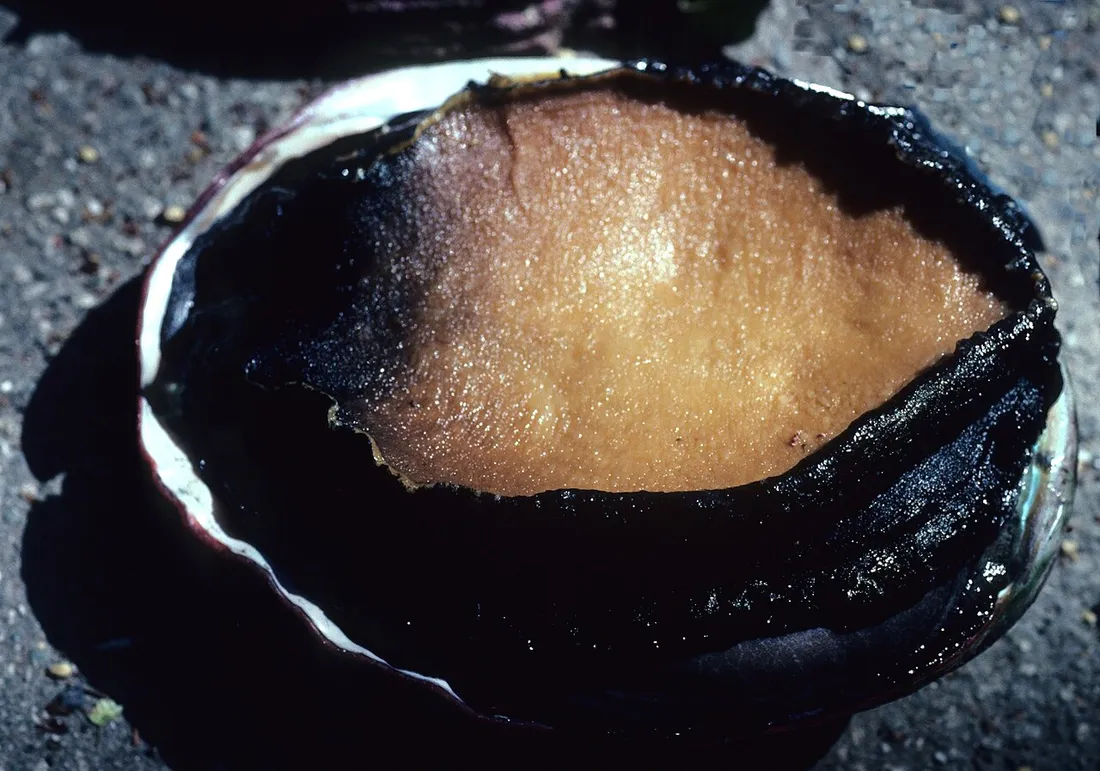 Kelp-eating shell
Mollusks · Abalone
Haliotis rufescens
Red abalones are large sea snails found on rocky Pacific shores. Their broad shells protect a powerful muscular foot that grips rocks and gathers drifting kelp.
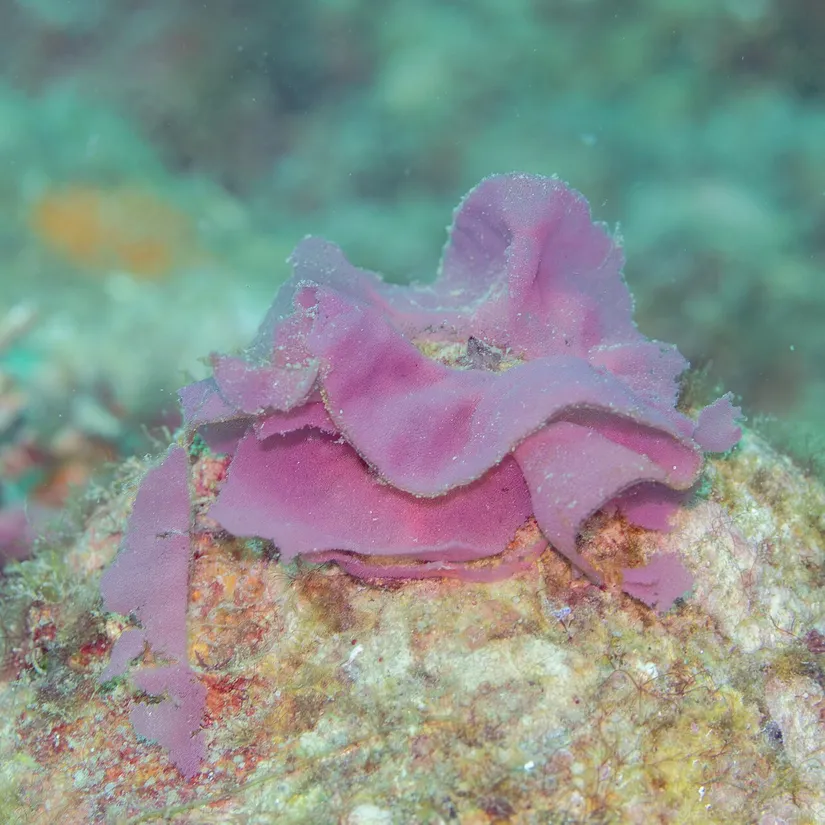 Flamenco-swimming sea slug
Mollusks · nudibranch
Hexabranchus sanguineus
The Spanish dancer is a large, bright-red nudibranch found on tropical reefs. When disturbed, it can wave its broad body edges like a dancer's skirt.
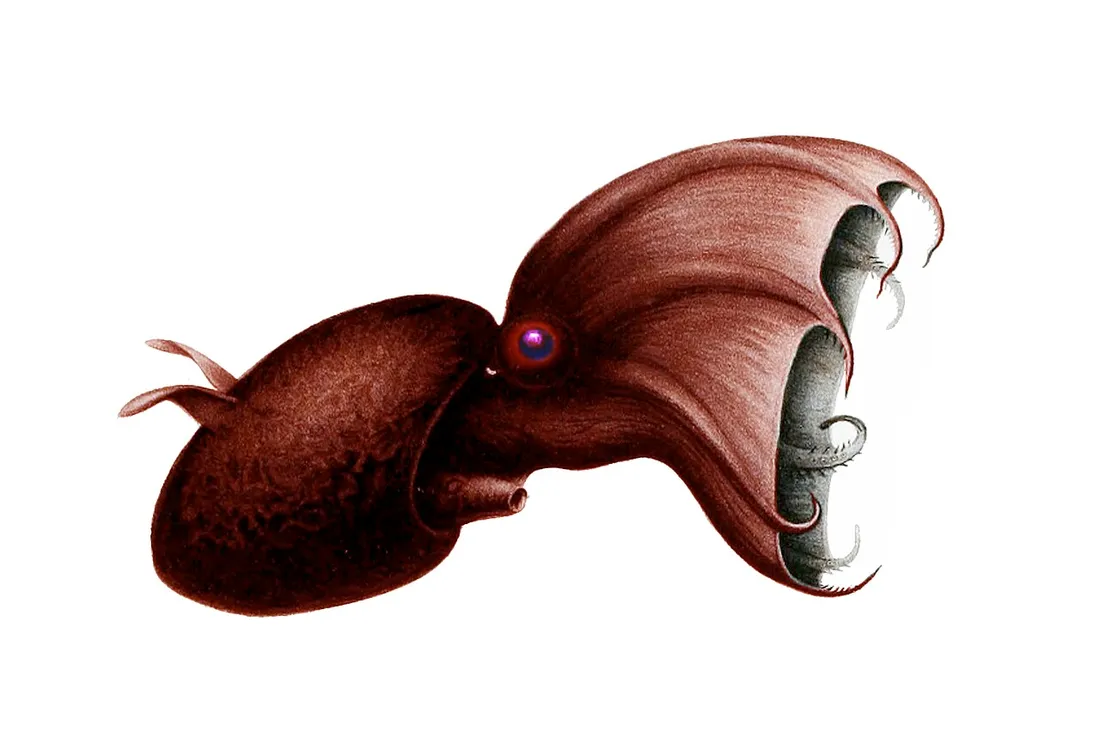 Deep-sea snow collector
Mollusks · Vampyromorph
Vampyroteuthis infernalis
The vampire squid is a dark red deep-sea cephalopod that is neither a true squid nor an octopus. It survives in the low-oxygen midwater zone by collecting drifting organic scraps.